
Iceland is a popular but expensive travel destination. To help with your trip planning, we’ve put together a guide to how to travel to Iceland on a budget. Our advice is based on the 6 weeks we have spent traveling throughout this beautiful country.
In this post we’re going to share our top Iceland budget tips to help you save money on your Iceland trip. We’ll start with giving you an idea of what things costs in Iceland and how to set up a budget for your trip, and then we’ll share 21 different budget tips to help you travel in Iceland on a budget. We share ways to save money in Iceland on flights, accommodation, rental cars, dining out, camping, alcohol, groceries, fuel, and sightseeing.
Whether you are traveling on a $1,000 budget or a $10,000 budget, you want to get the most out of your money and your trip to Iceland, and that’s what this post will help you do!
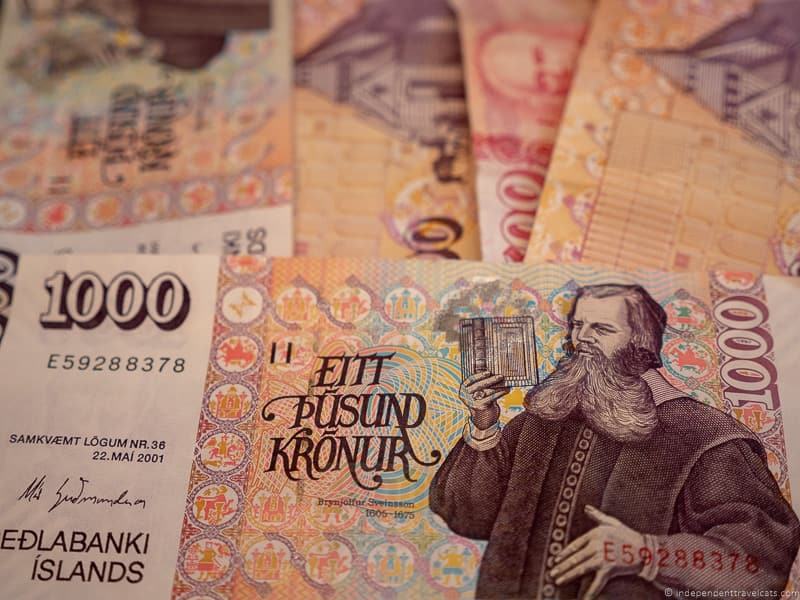
Table of Contents:
Planning your Iceland Budget
Planning your Iceland budget is a really important part of planning your Iceland trip. You definitely don’t want to arrive and suffer sticker shock and end up spending much more than you anticipated.
With a bit of advance planning we think you will be able to come up with a realistic idea of how much your trip to Iceland is going to cost you, and this section of the post will help you figure that out.
How Much Do Things Cost in Iceland?
Iceland uses the Icelandic krona (ISK) so be sure to check the current exchange rates of the krona with your home currency before you to know the exchange range. You’ll also want to have an idea of the current costs of goods and services.
To find out a good rough idea of the current prices for things in Iceland we recommend checking out a site called Numbeo. Here you can check for prices of basic goods (bananas, a pair of Levi jeans, gasoline, restaurant meals, wine) by country or check on prices of goods for a particular city (see here for Reykjavík).
NOTE: The prices in this post were last updated in March 2026 and are rough estimates to give you a general idea. Prices in ISK are sourced from current listings and our own experience. USD conversions are included for reference using the March 2026 exchange rate of approximately 1 USD = 125 ISK.
Exchange rates change constantly, so always check the current exchange rate before your trip. We also recommend checking Numbeo for the latest prices. Note that prices in Iceland can vary significantly between summer (high season) and winter (low season), with summer accommodation and car rental prices often double or more compared to winter.
- Grocery Items — Iceland has some of the highest grocery prices in the world. Here are some average prices at budget grocery stores like Bonus or Kronan: loaf of white bread (400 to 500 ISK; ~$3 to $4 USD), bottle of mid-range wine from Vinbudin (2,500 to 4,000 ISK; ~$20 to $32 USD), 1 kg of bananas (300 to 400 ISK; ~$2 to $3 USD), 1 kg of white rice (300 to 650 ISK; ~$2 to $5 USD), and 1 kg of boneless chicken breasts (1,500 to 3,700 ISK; ~$12 to $30 USD). Note that alcohol can only be purchased at the duty-free shop at the airport or at state-run Vinbudin stores, not at regular grocery stores.
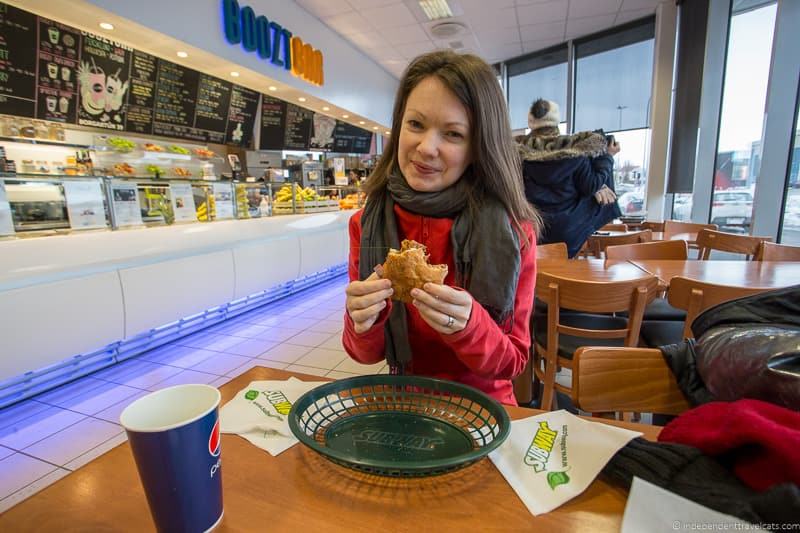
- Eating Out — 500 to 820 ISK (~$4 to $7 USD) for a hot dog from a street stand, 1,800 to 2,500 ISK (~$14 to $20 USD) for a fast food sub or sandwich, 1,500 to 2,500 ISK (~$12 to $20 USD) for a hot meal at a fuel station restaurant, and 12,000 to 18,000 ISK (~$96 to $144 USD) for a 2-course meal (no drinks) for 2 people at a mid-range restaurant.
- Tours & Activities — Prices range a lot based on the type of tour, length, and inclusions but here are some general per-person prices to give you an idea: 10,000 to 15,000 ISK (~$80 to $120 USD) for a full-day Golden Circle sightseeing bus tour, 12,000 to 15,000 ISK (~$96 to $120 USD) for a puffin or whale watching boat tour, 15,000 to 25,000 ISK (~$120 to $200 USD) for an ice cave tour, and 20,000 to 25,000 ISK (~$160 to $200 USD) for a snorkeling trip at Silfra. For multi-day guided tours, expect to pay 90,000 to 250,000+ ISK (~$720 to $2,000+ USD) depending on length and inclusions.
- Lodging — Prices depend a lot on location and time of year as summer prices can be double winter prices, and expect to pay more in Reykjavik than in the countryside. But here are some rough average prices per night: 4,000 to 7,000 ISK (~$32 to $56 USD) for a bed in a shared hostel dorm, 10,000 to 15,000 ISK (~$80 to $120 USD) for a budget guesthouse or private room with shared bathroom, 20,000 to 35,000 ISK (~$160 to $280 USD) for a room in a mid-range hotel, and 35,000+ ISK (~$280+ USD) for a room in a 4-star or higher hotel. These are winter/shoulder season estimates — in peak summer (July-August), expect prices to be roughly double, especially in popular areas along the south coast and in Reykjavik.
- Campsites — Campsites cost about 1,500 to 2,500 ISK (~$12 to $20 USD) per person per night. Additional small fees often apply for use of extra services like laundry, electricity hookups, waste disposal, and showers. The Camping Card (currently 24,900 ISK or ~$199 USD for 2026) covers up to 28 nights at 40+ participating campsites for 2 adults and up to 4 children, making it excellent value if you plan to camp for several nights or more.
- Museum Entry Fees — On average, museum and attraction entry fees range from 1,500 ISK (~$12 USD) to 3,000 ISK (~$24 USD). Museums are generally most expensive in Reykjavik and less expensive outside of major tourist towns. Many museums are free for children under 18.
- Rental Cars — Car rental prices vary significantly by season, vehicle type, and how far in advance you book. Here are some rough weekly estimates: 30,000 to 45,000 ISK (~$240 to $360 USD/week) for a compact 2WD in winter, 50,000 to 90,000 ISK (~$400 to $720 USD/week) for a 4WD SUV in winter. In peak summer (July-August), expect to pay roughly double these prices. All rentals come with mandatory basic CDW insurance, but upgrading to include gravel/physical damage coverage is generally an extra 2,000 to 3,000 ISK (~$16 to $24 USD) per day. Note: as of 2026, a kilometer-based road tax of 6.95 ISK/km is added automatically to your final rental bill (see fuel section below). Compare rental prices for cars and campervans in Iceland on Northbound and Discover Cars.
- Fuel — The average cost of gasoline is currently around 185 to 230 ISK per liter (~$1.50 to $1.85 USD per liter). Fuel prices dropped somewhat in 2026 after Iceland switched from a fuel-based road tax to a kilometer-based road tax (see below). In addition to fuel costs, all vehicles now incur a road tax of 6.95 ISK per kilometer driven. Car rental companies add this automatically to your final bill, so budget for it. For a typical 1,600 km winter road trip, the km tax adds about 11,000 ISK (~$88 USD) to your costs.
- Parking Fees — Paid parking has been introduced at most major attractions across Iceland. You will need to pay to park at places like Seljalandsfoss, Skogafoss, Thingvellir, Geysir, Reynisfjara, Skaftafell, and Jokulsarlon. Fees are typically 750 to 1,040 ISK (~$6 to $8 USD) per car. Most are managed through the Parka app, which we recommend downloading before your trip. Parking at Gullfoss is still free. On a week-long road trip visiting 10 or so major stops, expect to spend 8,000 to 10,000 ISK (~$64 to $80 USD) total on parking.
- Public Transportation — A one-way adult bus ticket in Reykjavik costs 670 ISK (~$5 USD), but you can save money with a day pass (2,650 ISK for 24 hours) or the Reykjavik City Card which includes unlimited bus travel. In Akureyri, the local city buses are free. Long-distance bus routes connect major towns but are less useful for reaching tourist attractions outside of towns.
Why is Iceland so Expensive?
Prices are high in Iceland for a variety of factors. It doesn’t just affect travelers though, Iceland has one of the highest costs of living in the world.
The high prices are partially due to the isolated nature of Iceland’s location as an island in the North Atlantic as the cost and time to import goods is high. Another factor is that Iceland is a small country with a relatively small workforce in a country where the costs of living are very high so labor costs are high. The country also has to depend on hiring foreign labor, especially in the fishing and tourism sectors.
Another factor on some items is taxes and import fees. For instance the taxes on alcohol and fuel are very high in Iceland.
However, another big factor is the country’s currency. When we last visited the economy was very strong and the Icelandic krona was very strong (some were saying too strong). This, of course, means that the prices of everything are very high. However, when the country has a recession or a financial crisis (such as in 2008), the krona crashes and prices tumble.
So as a traveler, the prices you pay are going to depend a lot on how well Iceland’s economy is doing. Good to check this out before your trip as if you use price estimates from 6 months ago, your budget could be way off.
Tips for Setting your Personal Iceland Budget
Use your research to set a realistic budget for your trip.
A good budget should:
1.) Be comprehensive – It should include all your major costs of traveling including your flights, lodging, transportation (buses, rental car [fuel, insurance], ferries, etc.), meals, tours and activities, sightseeing admission fees, and extras (e.g., shopping, souvenirs, snacks, camping gear rental).
2.) Be practical given the average costs in Iceland.
3.) Sit comfortably within your financial constraints. Be sure to leave a little room for unexpected expenses.
4.) Not be too restrictive. Don’t plan a trip that is so restrictive in terms of budget that you have doubts about whether you will actually be able to enjoy the trip.
What Does a Week in Iceland Actually Cost? A Real-World Example
To give you a concrete idea of what a trip to Iceland costs, here is an example budget based on our own 7 day winter self-drive itinerary for two people traveling together. This covers the west coast, Golden Circle, and south coast of Iceland, staying in mid-range guesthouses and hotels, mixing self-catering with some restaurant meals, and doing a couple of paid activities.
Note that these are approximate 2026 figures using the March 2026 exchange rate of 1 USD = 125 ISK. Winter prices are used here. If traveling in peak summer (July-August), expect car rental and accommodation costs to be roughly double, which could add 200,000 ISK or more to the total below.
| Category | Estimated Cost (ISK) | USD Estimate | Notes |
|---|---|---|---|
| Car rental (7 days, 4WD with CDW) | 60,000 – 100,000 | $480 – $800 | Winter rate via Northbound or Discover Cars |
| Fuel (~1,600 km) | 25,000 – 35,000 | $200 – $280 | At 185–230 ISK/liter, compact 4WD |
| Km road tax (~1,600 km) | ~11,000 | ~$88 | 6.95 ISK/km, billed by rental company |
| Parking fees (~10 stops) | 8,000 – 10,000 | $64 – $80 | Via Parka app |
| Accommodation (7 nights, mid-range) | 140,000 – 250,000 | $1,120 – $2,000 | Mix of guesthouses and hotels |
| Food (7 days, mixed) | 70,000 – 120,000 | $560 – $960 | Groceries + gas station meals + 2–3 restaurant dinners |
| Activities (2 paid tours) | 30,000 – 50,000 | $240 – $400 | E.g., ice cave + glacier hike |
| Blue Lagoon (2 Comfort tickets) | 20,000 – 24,000 | $160 – $192 | Dynamic pricing; book in advance |
| Total for 2 people | ~365,000 – 600,000 | ~$2,920 – $4,800 | |
| Per person | ~182,000 – 300,000 | ~$1,460 – $2,400 |
Excludes flights and travel insurance. Budget travelers who camp, self-cater, and skip paid activities could spend significantly less. Summer travelers should add 50–100% for accommodation and car rental.
You can see our full 7 day Iceland winter itinerary for the detailed day-by-day route this example is based on.
Quick Reference: Daily Budget Per Person
As a rough guide, here is what you can expect to spend per person per day in Iceland in 2026, based on two people traveling together and sharing costs. These are winter/shoulder season estimates — add 30 to 50% for peak summer.
- Budget (25,000 to 35,000 ISK / ~$200 to $280 USD per day) — Camping or hostel dorms, cooking most meals from groceries, compact rental car shared between 2+, mostly free attractions, 1 or 2 paid activities total for the trip.
- Mid-range (40,000 to 55,000 ISK / ~$320 to $440 USD per day) — Guesthouses or 3-star hotels, mix of self-catering and restaurant meals, 4WD rental car, a few paid tours and activities, Blue Lagoon visit.
- Comfortable (60,000+ ISK / ~$480+ USD per day) — Mid-range to boutique hotels, regular restaurant dining, 4WD SUV, multiple tours and activities, premium experiences like the Blue Lagoon Retreat Spa or helicopter tours.
What if I Can’t Afford to Travel to Iceland?
If you find after doing some research into prices and checking out our budget tips that you have significant concerns about the costs, consider a shorter trip (e.g., 3 days instead of 5 days) or consider waiting and saving up a bit of money first. Iceland will still be there next year.
You don’t want the travel stress of worrying about money on the trip and also you don’t want to feel so restricted on the trip that you don’t have any fun. For instance, would you enjoy Iceland if you are not being able to do any paid activities and having to eat boiled rice each night?
Determine how much money you need to save and then figure out how long it will take you to save the money for your trip. The best strategy is to save a little money each week (or each month) until you reach your savings goal.
Iceland on a Budget: 21 Ways to Save Money in Iceland
Below we’ll share 21 ways to save money in Iceland. These include ways to save money on flights, lodging, groceries, sightseeing, restaurants, camping, fuel, transportation, and activities. Many of these tips you can start using right now as you begin to plan and research your trip, and should help you stay within your budget while traveling in Iceland.
The prices in this post were last updated in March 2026. USD conversions use the approximate exchange rate of 1 USD = 125 ISK. Always check the latest rates for your own currency before your trip.
1. Travel to Iceland Off Season
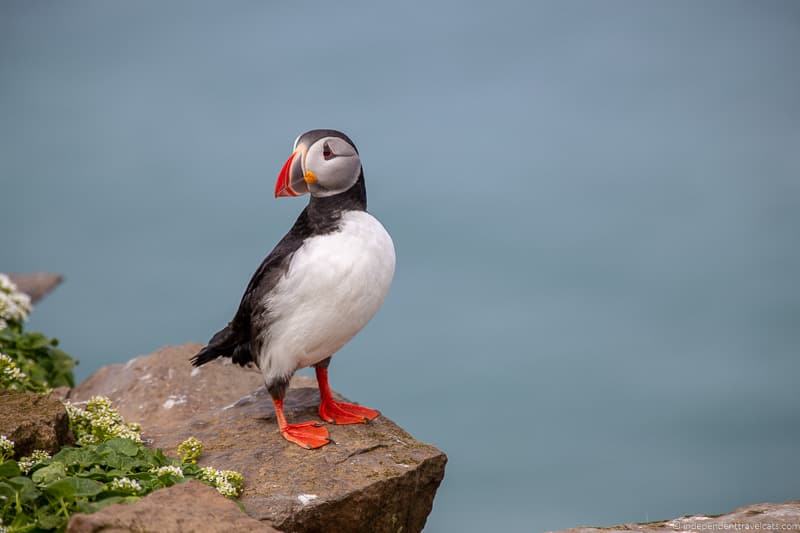
The busiest and most expensive time to travel to Iceland is in the summer months. The high season in Iceland is from about mid-June to end of August. Hotels, activities, car rentals, and other services are often higher during this period. We have been in both summer and winter and the increase in accommodation prices was particularly noticeable. With higher demand, expect higher prices.
So if you are flexible in when you travel, consider traveling outside of the summer season, particularly July and August. You’ll avoid paying the highest prices and also avoid the most crowded time in Iceland. If you still want to travel around this period, consider going just outside of the busiest period, say late May, early June, or September.
However, despite the higher prices, there is a reason that most people choose to visit in the summer. It is partly due to this is when most people can take their vacation time, but it is also when Iceland generally has its best weather and the greatest number of tourist-related businesses, attractions, and services are open. It is also the safest time in terms of driving, hiking, and camping, and summer is the best time to see wildlife in Iceland. So keep in mind both the pros and cons to make your decision.
If you are planning to travel in the summer months, our 1 week Ring Road itinerary and 5 day all-season itinerary may be useful.
NOTE: There is a total solar eclipse in Iceland in August 2026 which is causing a massive spike in pricing for accommodation. If you are planning on visiting Iceland during this time, be aware of this price increase.
Laurence has also written a complete guide to the Golden Circle which is a popular and mostly free day trip from Reykjavik, although note many locations will require you to pay for parking.
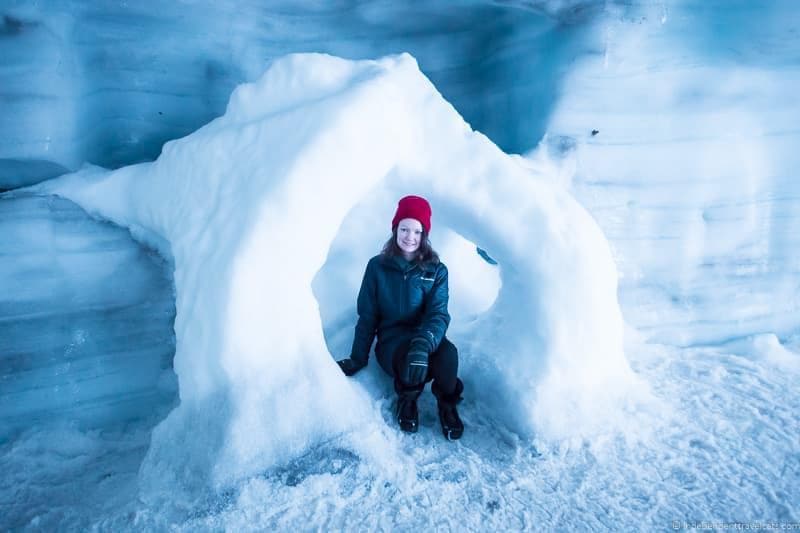
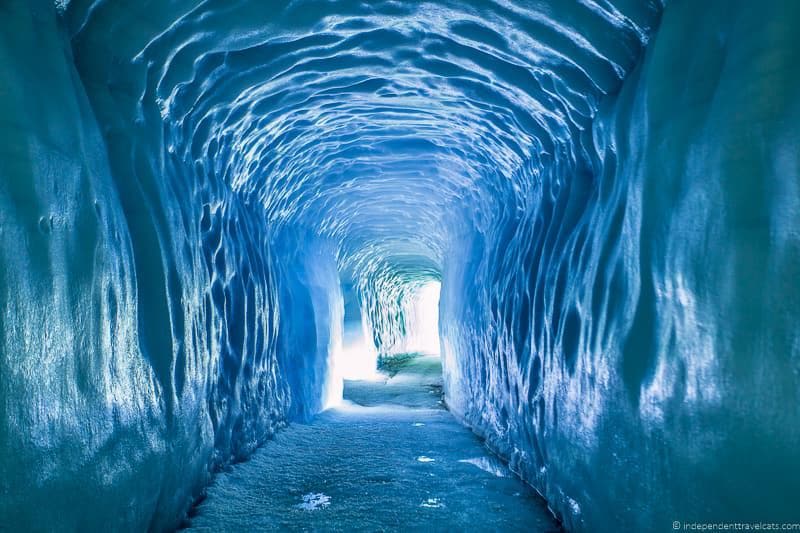
If you are thinking about traveling in the winter (December to April), you can check out our suggested 7 day Iceland winter itinerary for an idea of more of the pros/cons of winter travel and an idea of where you might want to go. Here is a list of fun winter activities that you can do in Iceland which include skiing, ice cave explorations, snowmobiling, snorkeling, and Northern Lights hunting.
2. Book a Cheap Flight
Try to save money for your trip by looking for inexpensive airline tickets. If you live in North America (particularly the Midwestern or eastern United States), Western Europe, or Northern Europe you can probably find low airline fares. If you are patient and have flexible dates, you should be able to find decent flights.
The main providers of inexpensive flights to Iceland are Icelandair (main Iceland airline) and Play (budget-focused airline). Previously the budget Iceland airline was WOW Air but it ceased operating in March 2019.
For example, in the UK you can get round-trip flights to Reykjavík from USD $180 and Americans from a select number of cities are sometimes able to get round trip flights to Reykjavík from the east coast for as low as USD $200!
Just be sure you check the baggage guidelines and inclusions for the airline as most budget airlines have strict weight and luggage requirements. You’ll need to add in extra luggage fees, as needed, into your flight cost. For example, an IcelandAir Economy Light ticket does not allow for any checked luggage.
Many people end up paying a lot in extra baggage fees at the airport because they did not pre-pay. If you need to bring additional baggage, purchase the additional luggage allowance with your ticket rather than at the airport to save money.
If you don’t live in a country or near a city where Icelandair or Play operates, you might try booking a flight that connects to one of those cities to take advantage of cheap fares. For booking flights we like Priceline, Kiwi, Southwest (for flights within the USA only).
Many people also visit Iceland on a stopover on their way between North America and Europe, or vice versa. Stopovers with Icelandair are available on most transatlantic flights at no extra cost and you can stay in Iceland for 1 to 7 days. A stopover is a great way to see Iceland if you only want to visit some highlights but it is not your primary holiday destination. See our guide to visiting Iceland on a stopover for some ideas.
NOTE: All international flights currently land at Keflavík International Airport, about 30 miles southwest of Reykjavík. There is an airport within Reykjavík but it is used for domestic flights only (and a few from Greenland & the Faroe Islands).
3. Compare Lodging Options
You can save money by comparing different lodging options and looking across different websites.
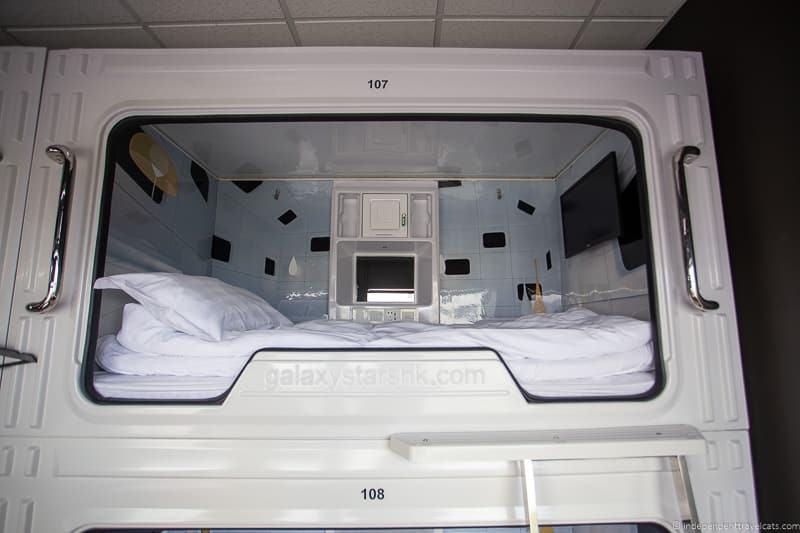
In Iceland, there are a variety of lodging options from hostels to guesthouses to apartments to hotels. Reykjavík has the greatest number of lodging options and properties range from budget to luxury. There are fewer choices in the less populated areas of the country. Guesthouses, bed-and-breakfasts, and small hotels are the most common types of places throughout the country. See our guide to where to stay in Iceland for a region-by-region look at what each area offers as a base.
If you are booking your own lodging, be sure to compare options and consider alternative options to what you normally book.
Here are some places to start to get an idea of prices:
- Booking.com – One of the largest and most competitive online booking websites, it offers all kinds of accommodation options including hotels, guesthouses, holiday homes, apartments, and hostels. This is the website we use the most to book our lodging worldwide.
- HostelWorld – Our recommended place to search for & book hostels around the world. Hostels are usually your cheapest option in Iceland (except for campsites).
- Book directly – It is always a good idea to check out the hotel website to see if they can offer a better deal.
- Vrbo – A popular online place to find apartments, and holiday homes for a variety of budgets. Note that like many places, there are a lot of illegal vacation rental properties in Iceland and the large increase in vacation rental properties over the past few years has been driving up rental prices for locals. So these services are often unpopular with some Icelanders!
4. Book Accommodation in Advance
As with many destinations, booking your accommodation in advance can save you money. It also gives you access to the most variety in lodging and can help ensure you get a room within your budget. Last-minute rates, especially in high season, can be very expensive (we’ve seen them triple the normal rate).
Once you have your dates set and flights booked for your trip, I’d start investigating lodging options within your price range. Not only can booking in advance save you money, but it also ensures you have a place to stay. Driving around late at night looking for a place to stay is never fun!
Even if you are not 100% sure of your plans yet, it may still be a good idea to book your accommodation if you have the option to cancel it if necessary. On many online hotel websites, like Booking.com, most properties allow you to book a hotel room, guesthouse, or apartment, and then cancel it if your plans change. You just need to cancel it by a certain date as will be indicated on the booking (normally 24 hours to 1 week in advance depending on the property).
By booking in advance, you lock in the current rate and know you have a place to stay, but can still change your mind later.
5. Consider a Camping Holiday
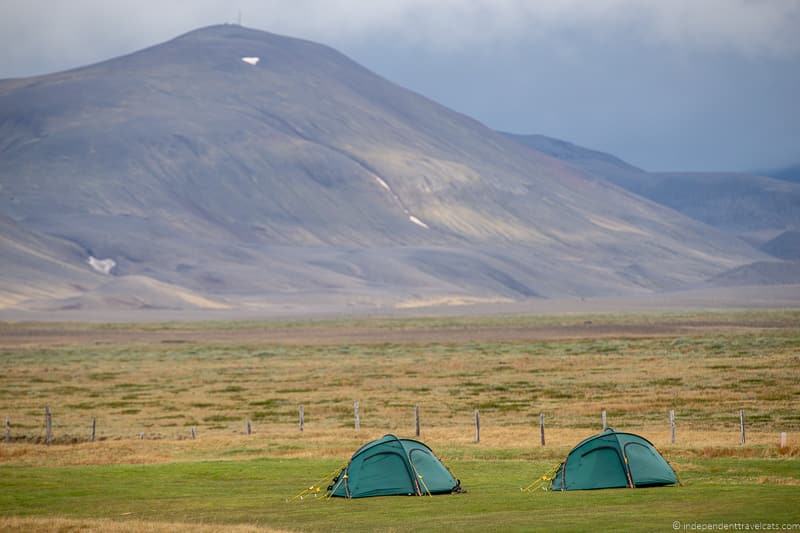
Camping is one of the least expensive ways to overnight in Iceland and also gets you outside and under the stars. This is a great way to travel in Iceland on a budget. We’ll share all the information you need to know to decide if camping is right for you and how much you can expect to pay per night.
Finding Campsites in Iceland
Camping is fairly inexpensive in Iceland and is one of the best budget ways to travel around Iceland if you plan to self-drive. Campsites are about 1,500 to 2,500 ISK (~$12 to $20 USD) per person/night plus a small overnight tax that is currently 333 ISK (USD $2.78) per tent or campervan. Additional small fees often apply for use of extra services like laundry, waste disposal, and showers. So you can save money by checking rates before choosing a campsite.
Do I need to book campsites in advance?
You don’t need to book camping in advance in Iceland. In fact, most campsites do NOT take advance bookings. There is normally a lot of space (most are open fields) and people are rarely turned away.
It is a good idea to know where campsites are located in advance so you can loosely plan where you will stay each night during your trip. Space is allocated first come, first serve at most places, so just don’t show up too late during the busy season, especially if have specific requirements (e.g., large caravan that needs water & electric hookups). Checking in by early evening is a good idea and most campsites allow registration and check-in between set hours so it is a good idea to check ahead.
Those traveling in winter should note that many campsites in Iceland are seasonal and are closed in the winter months. So be sure to check campsites’ operating dates when planning your driving route.
There are no great campsite websites out there (at least none that we have found anyway) that have all the Iceland campsite information on them. But here are two websites to check out for a rough idea of campsite locations: here (lists 60+) and here (lists 40+). Note that there are more small campsites around the country that are not captured on these websites, and local Visitor Centers are good places to stop for all the options in a specific area of Iceland.
If you are renting a campervan in Iceland, your rental will likely come with a list of recommended campsites and campsite information.
Ways to save money on campsites in Iceland?
Those who plan to camp for several nights or more in Iceland and are visiting between May and September, may want to check out the Camping Card. The card gives you overnight stays (campervan or tent) for up to 2 adults (plus up to 4 children under age 16) in any of the participating 40+ campsites. You can stay in any 1 campsite for up to 4 days maximum. It is valid for up to 28 nights and will definitely save you money if you are camping for several days or more in Iceland!
The Camping Card (currently 24,900 ISK or ~$199 USD for 2026) can be purchased online and shipped to you before your trip, or purchased after you arrive in Iceland. Within Iceland you can purchase it at numerous locations including a number of tourist information offices, campervan and car rental agencies, 10-11 grocery stores, and post offices.
Some RV and campervan rentals come with a Camping Card or the option to add one to the rental price in advance such.
Are there camping packages available?
Yes, there are a few self-drive camping tour packages available that include your campervan or RV rental as well as a suggested itinerary and camping essentials. For those planning to drive the Ring Road, this 12-day self-drive camping trip deal (available May to September) includes your campervan rental, basic CDW insurance, camping gear, and a detailed travel plan and suggested itinerary.
For those looking for a hiking plus camping tour, you can do a guided hiking tour that includes camping such as this 4 day Landmannalaugar hiking tour or this 6 day guided trek that includes Iceland’s 2 most famous hiking trails. These tours include transportation to/from Reykjavik, luggage transfers, meals, and a guide.
Can I camp for free in Iceland?
The answer for the majority of cases is NO unless you are wild camping (tent camping) under certain circumstances. There is a common misperception that you can camp or park almost anywhere in Iceland for free, but this is not true. Iceland used to have pretty lenient rules on wild camping and did not really regulate illegal RV and campervan parking.
However, in the past few years with increased tourism and increased destruction of the environment by campers, new rules were introduced and illegal camping is more widely regulated and policed. New laws are designed to protect the environment, avoid traffic accidents, and to prevent damage to private property. Many landowners and even entire regions of Iceland now prohibit any camping (tent or campervan) that is not within a designated campsite.
Basically if you want to sleep in your campervan, car, tent trailers, campervans, RV, or any other sort of motorized vehicle, you need to stay overnight in a designated campsite. The main exception is if you have the explicit permission of the landowner to overnight on their property, which is how many Icelandic people are able to camp for free.
Camping is inexpensive in Iceland (see above section) and there is no good reason to try to illegally camp in Iceland. Be a responsible traveler to this beautiful country.
Now if you wanting to do real wild camping (a traditional tent pitched well off the road away from buildings), then there are places you can still wild camp for FREE for 1 night at a time in Iceland. Although note that it is still recommended that you use a designated campsite when one is nearby, but is a great option for uninhabited areas of Iceland (e.g., Hornstradir Nature Reserve or central Highlands areas) and for those wanting to do multi-day hiking treks.
There are a lot of restrictions and areas that do not allow camping of any kind (see list here), but if you want to tent camp for free legally, there are still some places you can do it.
Unless you are a seasoned camper with good cold-weather gear, we would only recommend tent camping in the summer months as the weather can be very cold and wet throughout the rest of the year and make for some really uncomfortable camping situations. Camping in Iceland is definitely best during the summer months.
If you plan to camp in Iceland, be sure to check out the Environmental Agency of Iceland website which covers all the overnight Iceland camping rules as well as lots of safe travel tips.
6. Consider All your Iceland Travel Options
Although you probably have an idea of how you plan to travel around Iceland, it is a good idea to consider all your options. The least expensive option may depend on the size of your travel party, time of year, and how many days you have in Iceland.
Although budget is definitely an important factor, you also want to consider your travel comfort, time you have in the country, how much time you have to plan, how much time you want to spend planning, and other important factors.
Iceland Travel Options:
Guided Tour – Join a guided group tour that goes to the places you want to visit. Your itinerary, hotels, sightseeing, and transport will be taken care of with little planning needed. Although it can be more expensive than planning everything yourself, tours allow you to have a very good idea of all the major expenses before you start the trip. Example guided tours in Iceland are this 6 day ring road trip and this 10 day Ring Road trip. See this great list of guided tours in Iceland for a curated list of options.
Day Tripping – A popular way to travel in Iceland is to base in a city (or two), and explore from there. You can either hire a car and drive yourself or book day trip tours. For example, from Reykjavík, you can explore most of western and southern Iceland on day trips, and from Akureyri you can explore most of northern Iceland. See a guide to popular Reykjavík day trips to get an idea of what you can see if you are considering basing in the capital.
Self-Drive – Hire a car, set your own itinerary, choose your own activities, and book your own lodging. You control your bookings and budget. Everything is up to you!
Self-Drive Package – If you want the freedom of driving yourself but don’t want to do a lot of planning, you can book a self-drive package where your rental car, hotels, and any tours are booked for you and you are given a suggested itinerary based on your preferences. You can see self-drive trips on Tour Radar here and on Guide to Iceland here, to give you some ideas.
Travel By Public Transport – You can travel by public bus to get around the country. This is definitely one of the cheapest forms of travel available in Iceland.
Camping – Camping is one of the least expensive ways to overnight in Iceland, and you can choose to get around via a regular car, campervan, or by public transport.
Hitchhiking – Although a popular recommendation in budget forums and guides, we don’t recommend hitchhiking as your primary means of getting around Iceland. Icelanders we spoke to think it is strange (and unsafe) for tourists to show up in a foreign country expecting to hitchhike their way around. Depending on the kindness (or pity) of strangers to drive you around is not the best (or most efficient) way to get around Iceland, especially if you have limited time. Instead consider sticking to one area you can explore on foot or by bike (e.g., Reykjavík), taking the bus, getting a Bus Passport, or consider carpooling.
Each of the options above has its pros and cons, and I’d read this planning guide for more information if you need help deciding on how to travel in Iceland.
7. Consider Using Public Transit
Public transportation covers Reykjavík and the surrounding area very well. It is a great and relatively inexpensive way (670 ISK (~$5 USD) per ticket) to get around the capital compared to taxis or a rental car. There are also bus passes as well if you plan to use the bus multiple times during your time in Reykjavík.
You can pay the bus fare on the bus to the driver (bring exact change) or using a credit card in advance using the Straeto phone app. The buses are free for those using a Reykjavík City Card.
Akureyri, the country’s second largest city in the north, has free city buses that visitor can use to get around!
For those traveling around Iceland, the public transportation network connects all the major towns and cities. You can see the public transport network here with most of the regular bus routes run by Straeto. For the long-distance buses, you can pay for tickets using a credit card.
One important note: Iceland is almost entirely cashless. Credit and debit cards (including contactless) are accepted virtually everywhere, even at rural gas pumps and small market stalls. You do not need to withdraw Icelandic kronur for most purposes. Having a card with a PIN is essential for unmanned gas stations, but carrying large amounts of cash is unnecessary.
Whether or not the public bus is a good option for you will depend on where you plan to go and what you plan to visit as while towns throughout Iceland are well-connected, many tourist sites like waterfalls and remote beaches are not going to be located near bus stops.
8. Look Into Bus Passes and Day Passes
If you are planning to spend time in Reykjavik without a car, the city bus day pass (2,650 ISK for 24 hours of unlimited travel) or the Reykjavik City Card (which includes unlimited bus travel plus museum entry and pool access) can save you money compared to buying individual tickets at 670 ISK each.
For getting around the country by bus, Straeto operates routes connecting most major towns. There are also seasonal hiker bus services such as Trex which offers bus passes for popular hiking routes in the summer months, including connections to trailheads that regular buses do not reach.
Note that a hop-on hop-off style “Bus Passport” for tourists used to be available covering the south coast and other popular routes, but this service is no longer operating. Your main options for getting around Iceland without a car are now the regular Straeto bus network, seasonal hiker buses, and organized day tours from Reykjavik.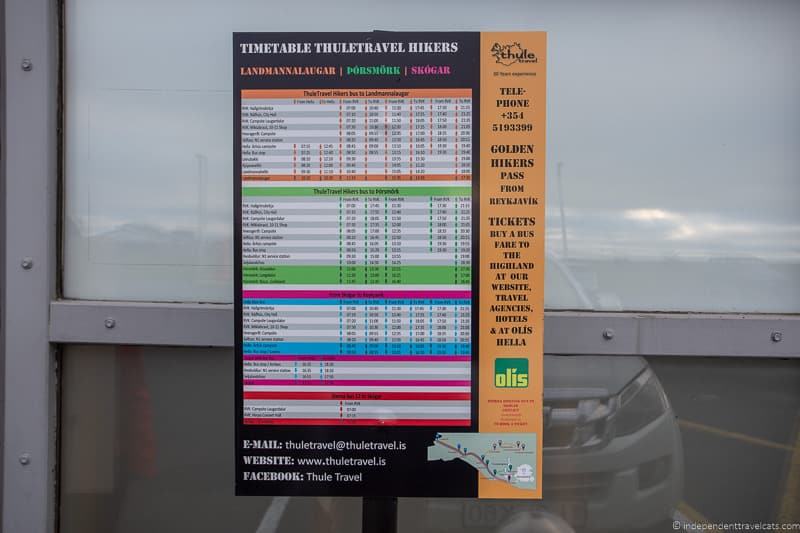
9. Travel as a Group
If you are considering traveling to Iceland alone or as a couple, you might consider getting some travel companions if you need to save money on the trip. Groups can make everything from cooking meals to apartments to rental cars to private tours less expensive. For example, a $600 rental car split between 4 persons is much more affordable than split between 2 people.
Maybe you have family or friends who are interested in visiting Iceland and willing to join you and split costs? Or if you don’t know anyone and are not averse to traveling with strangers, you may want to check out travel message forums such as this one to see if anyone else is looking for a travel companion to Iceland. Once in Iceland, hostels are a good place to find like-minded budget-focused individuals who may want to share the cost of a rental car or a grocery store bill.
Note that more is not always merrier. If you are traveling in a group of 5 or more adults, you will have more limited options in terms of both transport and accommodation. This could actually increase your costs of travel per person.
If you can’t find travel companions, be sure to compare your travel options. For instance, a group bus tour may seem expensive and beyond your budget, but the prices usually include almost all your major trip expenses including transportation, a guide, lodging, luggage transport, sightseeing, and breakfasts. These may end up working out as less expensive (or about the same cost) than doing it all yourself once you factor in all the costs, especially if you are traveling alone.
10. Do Your Research on Rental Cars
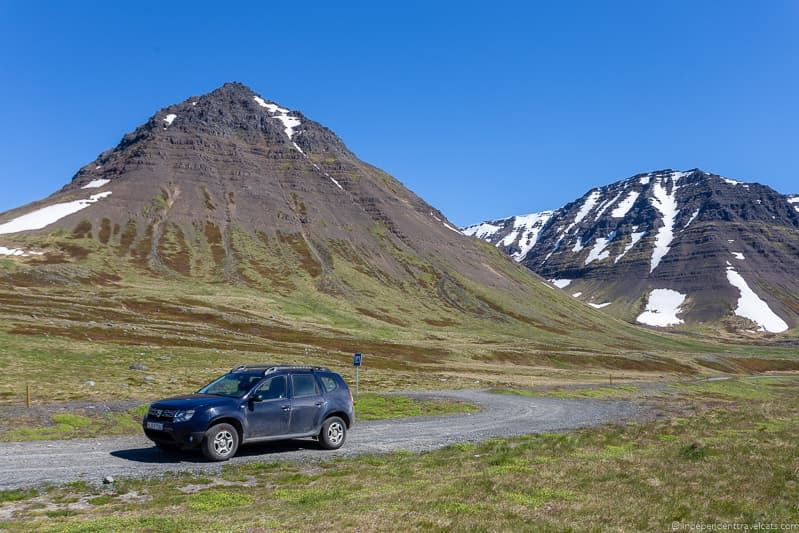
If you decide that you want to rent a car and drive in Iceland, you can save money by comparing car prices, minimizing rental days and understanding your car insurance options. You also want to do what you can to prevent any damage to your car as car services and repairs are expensive in Iceland.
If you are not sure if you want to rent a car or not, I’d compare the cost of renting a car (including insurance) with other options (e.g., joining tours or a Bus Passport). Car rentals are not cheap in Iceland and are not the best option for all travelers.
Compare Rental Car Prices
If you are thinking about renting a car in Iceland, you’ll want to compare prices to get the best deal.
Here are some places to check prices and consider booking:
- Northbound – This online marketplace focuses on rental vehicles in Iceland and is the one we recommend. The websites lists cars, SUVs, vans, and campervans from a number of rental agencies in Iceland. They also allow you to choose from various additional insurances that are unique to Iceland.
- Discover Cars – This is our go-to comparison car rental website for finding rental cars in many parts of the world.
NOTE: You need to be at least 20 years of age to rent a car in Iceland and many companies require drivers to be at least 23 or 25 years of age. Extra rental fees are sometimes charged to drivers aged 25 or younger.
Consider an Electric Vehicle
Electric vehicles are becoming increasingly available from Iceland rental agencies, and they can be a smart budget choice. With an EV, you eliminate fuel costs entirely and only pay the km-based road tax (6.95 ISK/km) plus charging costs, which are generally less expensive than filling a tank. Charging stations are now found throughout populated areas of Iceland and along most of the Ring Road, though coverage is thinner in the Westfjords and remote Highland areas.
EVs work best for shorter trips or routes that stay on main roads where charging infrastructure is reliable. If you are planning a winter trip or driving remote stretches with long distances between towns, a traditional vehicle may still be the safer choice as cold weather reduces battery range and charging stations can be farther apart.
But for a Golden Circle day trip or a south coast route, an EV could save you 20,000 to 30,000 ISK or more in fuel costs over a week. Compare EV options on Northbound alongside conventional vehicles to see if the savings work for your route.
Book in Advance
Don’t wait to decide if you want to rent a car last minute once you get to Iceland, especially in summer. You’ll have fewer options and be at the mercy of the car companies in terms of rates and the remaining cars available. Rates are generally better online than if you call or walk into a rental car agency needing a same-day rental.
Minimize Car Rental Days
Save money by only renting the car for the days you will be actually using it to minimize the number of rental days. Do you really need a car for your entire trip? Organize your trip so that the days you don’t need a car fall together to save money.
For example, it is easy to catch a shuttle to and from the airport to Reykjavík and you can get around central Reykjavík by foot, bike, or public bus. You also don’t need a car if you are planning to take any full day tours such as to go on a guided glacier hike or bus tour out to the Highlands.
Make an Informed Car Insurance Choice
Let me preface this with the fact insurance in Iceland (as in most places) is complicated and we do not pretend to understand it completely or to offer any legal advice. But we will try to share the basics to get you started.
In Iceland you must have basic third-party liability insurance to legally operate a vehicle which is normally covered under the CDW (collision damage waiver) insurance included with your car or campervan rental. Be sure to check that this is included but just about every rental comes with this included in the price since it is a legal requirement.
The Basic CDW coverage generally includes the mandatory third-party liability insurance and accident insurance for the driver and the owner. It may also include additional things like vehicle theft protection.
The basic CDW that comes with most rental cars often comes with a fairly high deductible (~ $1,500 to $3,000) so an accident can still cost you up to that amount. You can generally decrease the deductible by paying a little bit more (we paid to decrease ours down to $0).
The basic CDW coverage included in rental car prices also usually does NOT include windscreen cracks, general physical damage, sand damage, wind damage, paint scratches, water damage, etc. Damage, such as windshield chips, dents, and scratches, are fairly common in Iceland given the gravel roads, wind, and large number of inexperienced drivers on the road.
Parts and labor are expensive in Iceland and these are often even higher when charged by a rental car company. So for instance a chipped windshield could cost you 75,000 ISK to 100,000 (~ USD $600 – $800) as they’ll need to replace the windshield, a dent from someone else opening their door into your car could cost you 50,000 to 200,000 (~ USD $400 to $1,600), and a damaged door from opening it into the wind could cost you 500,000 ISK ( ~ USD $4,000).
It is of course totally up to you if you want to purchase any additional protection beyond the legal amount required, but we would highly recommend getting coverage for at least the most typical kinds of damage, especially if you plan to have the car for more than a couple of days and/or plan to drive on any gravel roads.
The “Super CDW” insurance option upgrade typically includes a zero (or very low) deductible and includes all the general kinds of physical damage to the exterior of the car like paint scratches, dents, chips, broken door hinges, and windscreen cracks. This is what we purchased and it also included theft protection. This gave us much better peace of mind and what we’d recommend to most travelers to avoid any large surprise costs during your trip.
Another common add-on insurance option is “sand and ash protection”. This protects your car from any damage caused by sand or volcanic ash. This is a less common form of damage but sandstorms do happen in Iceland, especially on the South Coast. The primary damage here is that the sand (or ash) will scratch and strip the paint off your car and repainting a car is obviously going to be a very costly expense.
We declined the “sand and ash protection” and were just careful to check the road and travel conditions. You’ll need to use your own judgement as to whether this is something you want to purchase or not.
As with any insurance coverage, no insurance will cover you for any damage incurred during illegal driving such as off-road driving, speeding, drunk driving, and driving on closed roads. They also won’t cover you if you do anything not allowed under your rental car contract, which in Iceland often include things like driving on Highland F roads (some 4X4 rentals in summer are allowed but check your contract closely) or crossing unbridged rivers or streams. Be sure to check the rental car contract associated with your car carefully.
NOTE: If you have CDW insurance included with your credit card (some American credit cards come with this as a feature) or travel insurance, you can usually decline the CDW, but you cannot decline Third Party Liability Insurance or Personal Accident insurance as these are mandatory under Icelandic law. In most situations, it is best to just accept the CDW but you can contact your insurance company and the rental car company about your specific situation.
Regularly Check Travel and Road Conditions
Anyone driving in Iceland should be checking on travel conditions on a daily basis as the weather can change quickly in Iceland and can be pretty unpredictable. Not only will this help keep you safe on the road, but avoiding bad weather and poor road conditions can keep you from incurring costly damage to your rental.
Here are the two websites we recommend monitoring throughout your trip:
- Safetravel.is – safety website operated by the Iceland Association for Search and Rescue
- umferdin.is – road conditions website managed by the Icelandic Road and Coastal Administration
Closed roads, storm warnings, sandstorms, strong wind warnings, flooding, avalanche warnings, etc. will all be noted on these websites.
If driving in the winter, we recommend reading our tips for driving in Iceland in winter.
11. Consider Carpooling
A rental car or guided bus tour may be too expensive if you are traveling to Iceland on a budget. One way to save money is to join someone looking for passengers to share the cost or you can offer a ride to someone else. If you don’t have the money to rent a car yourself, you can find a fellow traveler to join you in carpooling on a website called Samferda.
The simple website allows you to put in a request for a ride (you don’t have a car, but want to join a carpool) or request fellow passengers going to the same place in Iceland (you have a car, but want passengers to join you). Be sure to be clear about the cost sharing expectations up front.
You might use this for a one-time travel need (e.g., getting to the airport) or even for your whole trip if you find suitable companions who want to travel to the same places. This is a good alternative to hitchhiking.
12. Pack Wisely to Avoid Unnecessary Purchases
Packing all the things you need for your trip will not only ensure you are prepared, but it will help you save money. It also pays to make sure you have proper protective gear (e.g., a drybag or waterproof cover) to protect expensive items (e.g., cameras, phones) from damage. We experienced this firsthand as waterfall spray caused damage to our camera’s WIFI functions.
It is easy to find high quality clothing and winter gear in Iceland but it is pricey. For instance I checked simple knitted hat prices in a number of stores and had a hard time finding anything under USD $55 (a similar hat would be priced around USD $15 in the United States). Other consumer goods like water bottles, towels, electronics, camping gear, etc. are also much more expensive in Iceland than most other countries.
So it is wise to do some research in advance to know what you’ll need for your trip. Then I’d recommend making a list to make sure you pack what you’d need to avoid having to purchase it in Iceland. We met several people in Iceland who had to purchase warmer clothing, waterproof shoes, or proper hiking gear in the country because they came unprepared.
Check the weather forecast in advance as well as right before you go to know what to expect from the weather. Check out some recommended packing list for the time of year you want to visit, such as this winter packing list for Iceland.
See what you need for any activities you want to do (e.g., snorkeling, skiing, birdwatching, golf, thermal baths) while in Iceland. You probably don’t want to have to have to rent or buy things like binoculars, gloves, swimwear, hiking poles, or ski goggles if you already own them.
No matter when you’ll be traveling to Iceland be sure to have warm layers of clothing (preferably at least a couple of wool items), comfortable waterproof hiking shoes or boots, waterproof and wind resistant outer layers, hat, sunscreen, swimwear (for spas and pools), and a warm jacket or coat. Even in summer, temperatures can be cool and you’ll need warm layers.
A towel is also recommended for most travelers. On our last trip, we packed 2 towels, a regular beach towel and a fast-drying travel towel just like this one. A towel is great for anyone planning to visit the geothermal pools as it will save you from having to rent a towel and many of the pools don’t offer towel rentals. A towel will also likely come in handy if staying in hostels or campsites and is good to use to dry off if you get soaked in the rain or by waterfall spray.
We recommend packing a drybag or waterproof cases (such as these ones) for your phone and valuables, especially if you plan to visit pools, go on long-distance hikes, join boat tours, or do water sports. For those with pricey cameras, we recommend an inexpensive rain sleeve to protect them. Backpackers and hikers will also want to make sure they have a waterproof cover for their bags. These items will also help protect your valuables from the spray from waterfalls (if windy, the spray at some waterfalls can drench you pretty quickly!) and rainstorms.
One item worth setting up before you leave home is an eSIM for mobile data. Having data access in Iceland is useful for checking road conditions on umferdin.is, navigating with GPS, paying for parking via the Parka app, and checking aurora forecasts. We recommend Airalo, which offers affordable Iceland and Europe data plans that you can set up before departure. This is cheaper and simpler than buying a local SIM card or paying international roaming charges.
Those traveling in the winter season (this period roughly lasts from November to the end of April) will want to be especially prepared for the rain, snow, wind, and colder weather. We have a winter Iceland packing list to help provide some recommendations and tips.
In the summer months (roughly June to end of August) it won’t generally be as cold so you don’t need full winter gear, but it can still be cold and it never gets hot here. So you’ll still want to be prepared for potential cold weather (check the forecast), rain, and strong winds. We were here for the entire month of June and wore wool baselayers on about 60% of the days as it was cooler and more rainy than a typical June.
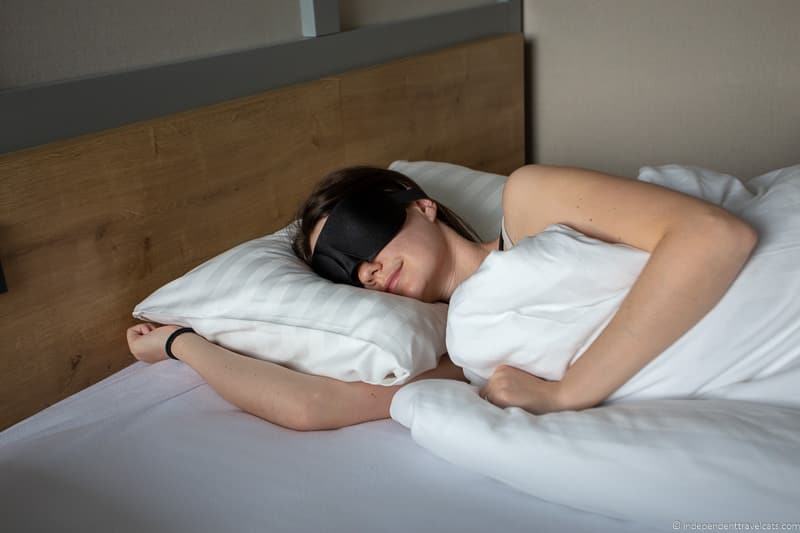
For the summer, you’ll want to pack sunglasses (or a hat) and an eye mask.The midnight sun (where the sun sets only briefly) can make it hard to sleep well during the night so we definitely recommend investing in a comfortable sleeping mask. Many hotels, guesthouses, and apartments do NOT have proper blackout drapes or blinds. We also packed a drape clip (a few clothespins will work) to help close gaps in curtains and drapes.
13. Seek Out Less Expensive Dining Out Options
There were no places in Iceland that we ate at that I would describe as “cheap” but there are definitely places you can spend less money than others. At a typical Icelandic restaurant, a starter and main course for dinner for one person will be around 6,000 to 8,000 ISK (~$48 to $64 USD) without drinks.
Throughout the country, the most inexpensive meals in Iceland can be found at grocery stores (e.g., pre-made sandwiches, wraps, salads, snack food), fast food chains such as Subway (located only in main cities and town like Reykjavík, Akureyri, and Egilsstaðir), local diners, and gas station restaurants. Many museums and attractions have cafés or restaurants, and these often offer reasonably priced options such as sandwiches, soups, waffles, and cakes.
Many people unintentionally go on a soup and bread diet in Iceland. Soup is often the least expensive option on menus (generally between 1,500 to 2,500 ISK, ~$12 to $20 USD) and offers a reasonably healthy option. Often you get a free refill (or even unlimited free refills!) of soup. Common soup options in Iceland (based on our experience) are fish soup, Iceland lamb soup, and mushroom soup.
Reykjavík is probably the best place to find budget eats in Iceland. You can find cheap eats at hot dog and sandwich stands as well as grocery stores and fast food chains. Bæjarins beztu pylsur is a popular hot dog stand that has been serving hot dogs since 1937. You can get an Icelandic hot dog for about 500 to 820 ISK (~$4 to $7 USD) Waffles are another relatively cheap food you can pick up in many places.
If you have a car, another place you can get a reasonably priced meal near Reykjavík is IKEA! Believe it or not, the restaurant within this huge Swedish budget home furnishings store is a popular dining spot for Icelanders because of its relatively low prices for food and alcoholic drinks. It is especially popular for those with families as they offer inexpensive children’s meals. We actually ate here on our first visit as we stopped to purchase a towel and were really surprised by how busy it was!
For those driving around the country, the best places for less expensive hot meals throughout Iceland are actually gas stations. Many of the fuel stations in Iceland (such as the Olis and N1 chains) offer both food you can grab (pre-made sandwiches, snack food, drinks) as well as restaurants serving hot food items such as hamburgers, hot dogs, pizza, fish stew, and paninis. You can get a hot meal for 1,500 ISK to 2,500 ISK (~$12 to $20 USD).
The food varies across fuel stations based on our own experience from pretty good to not so good, but these places usually offer the best prices in town. Note that not all fuel stations include restaurants or stores, especially those in more remote areas, which may just be a set of automatic gas pumps.
Just be aware that if you are going to a familiar chain like Subway or IKEA, prices will still be higher than you are used to paying. For instance, a Subway sub in Iceland will cost you about double the price of the same sub in the United States, but it is still a good deal considering Icelandic restaurant prices!
If you are trying to set a budget for food, you could probably survive on a budget as low as 3,000 to 4,000 ISK (~$24 to $32 USD) per person per day for food, but you would have to work really hard at it and cook almost all your meals from grocery store ingredients.
A more realistic, and not so restrictive budget, would be around 6,000 to 8,000 ISK (~$48 to $64 USD) per person per day for 3 meals a day, mixing self-catering with some gas station meals and the occasional restaurant stop. If you enjoy eating at sit-down restaurants regularly, budget 10,000+ ISK (~$80+ USD) per person per day.

14. Cook Your Own Meals
If you book self-catering lodging or are planning to stay at campsites, you have the option to cook your own meals. Groceries are more expensive in Iceland than in most places in Europe. A loaf of bread currently costs 400 to 500 ISK (~$3 to $4 USD), but you can still save money if you go grocery shopping and cook your own meals compared to eating out at restaurants.
To get an idea of recent food prices, costs of alcohol, and restaurant meal costs (as well as other costs of living), you can check out this website.
Best Budget grocery stores in Iceland
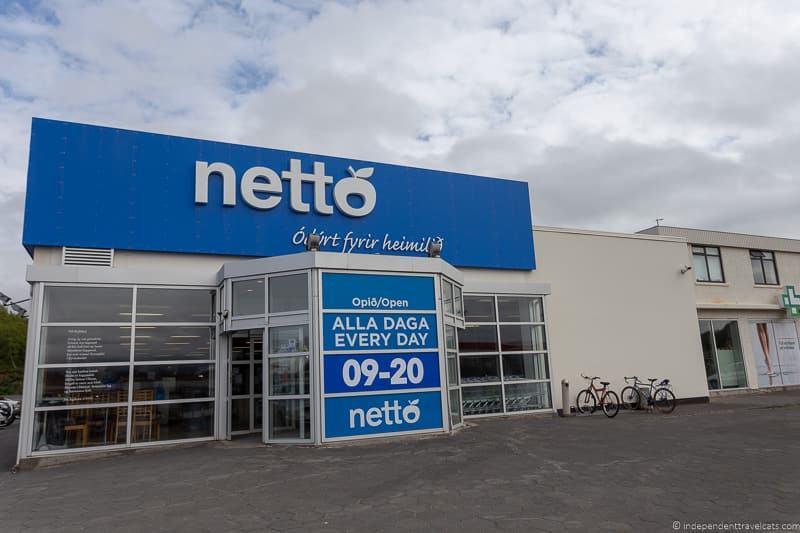
Like in most countries, you can save money in Iceland by shopping at the lower priced grocery stores where the same items can be up to 50% less than in other stores. Budget grocery store chains we recommend in Iceland include Bónus, Nettó, Kronan. We recommend that budget shoppers avoid the 10-11 convenience grocery stores which are, on average, much more expensive than other grocery stores in Iceland.
Most grocery stores, including the 3 budget grocery stores above, have a budget brand for essential items. Look out for these items as they are often the least expensive option in that category (e.g., the least expensive mustard, coffee, or paper towels). For example in Bónus the budget brand is Euro Shopper and Nettó offers Coop and X-tra products.
Grocery bags are not free and plastic bags are not allowed to be sold to customers, so you can save a little money by packing a few reusable bags if you plan to do grocery shopping a lot while in Iceland. Or you can purchase reusable bags in the grocery stores.
How to Find Self-Catering Lodging
You have a lot of self-catering options, including hostels, apartments, and campsites that are geared towards those who want to do their own cooking. Most hotels, guesthouses, and B&B’s do not allow guests to do their own cooking.
Some apartments, hostels, and campsites also offer laundry service options, so if you are traveling for a longer time, that may help you save on hotel laundry service fees. See our guide to doing laundry while traveling for all kinds of ways to do and to save money on laundry.
Here are some good places to start your search:
- Apartments – Most apartments in Iceland come with cooking facilities and basic cookware.
- Hostels – Most hostels in Iceland come with shared kitchen facilities that allow you to cook your own meals.
- Vrbo – Many of the options on Vrbo come with a kitchen that allows you to cook your own meals. Be sure to read the House Rules before booking to ensure you are allowed to cook. If you’re comparing options beyond Vrbo, our roundup of the best vacation rental websites breaks down fees and coverage across every major platform.
- Campsites – You can do rustic cooking if you have your own camping stove and some campsites provide shared cooking facilities.
15. Limit Alcohol
Due to high taxes and importation fees, alcohol is very expensive in Iceland, whether you purchase it in a store or order a drink in a bar or restaurant. In fact, alcohol prices in Iceland are about the highest in the world at the moment. The best way to save money is to not drink, but if that is not an option for you, you can try to seek out the cheapest drinking options.
First of all, the least expensive alcohol is usually available in the duty free shop at the airport. So consider buying your alcohol in either your departure airport (if allowed) or at the Keflavík International Airport once you arrive. For most people, the duty-free shop at Keflavík is going to be the least expensive and most convenient option.
It is often less expensive to purchase a full bottle of liquor or 6-pack of beer than to purchase individual drinks in a bar. However, you are limited in where you can buy alcohol in Iceland and you cannot purchase alcohol at grocery stores or fuel stations. In Iceland you can only purchase alcohol at the duty-free shop at the airport and at state-run stores called Vínbúdin. You have to be at least 20 years of age to purchase alcohol in Iceland.
If you want to go out, seek out happy hours where you can get find less expensive drink prices and 2 for 1 deals. We found that drinks could be up to 50% cheaper at Happy Hours. Note that most happy hour offers are in larger towns and cities such as Reykjavík (check out the Appy Hour app) and Akureyri so you may have a hard time finding cheaper drinks in small towns or rural areas.
Drinking and driving laws in Iceland are very strict and you can be arrested for driving with a very low blood alcohol level. Drunk driving is considered a serious offense and fines (even for first time offenses) are very high. So be sure to wait to drink until you have stopped traveling for the night!

16. Drink Tap Water
Drinks are expensive in Iceland, but tap water is free and safe to drink throughout Iceland. The drinking water in Iceland is of a very high quality. If at any location you are unsure about whether the water is safe to drink, just ask.
In many cafés, fuel stations, and fast food restaurants, pitchers of water are often in a common area for guests to help themselves or are brought to the table in sit-down restaurants. If not, just request water when you order.
Bring a reusable bottle for water with you so you can fill it in sinks and water fountains and not need to pay for drinks or purchase bottled water. If you need to get a water bottle for your trip, we personally like this one and this one. You’ll be saving money and creating less plastic waste.
NOTE: The hot water in some places in Iceland, notably Reykjavík, is geothermal water that is pumped in straight from the ground so it has an odor and taste of sulphur. It is safe to drink but doesn’t taste very good and isn’t intended to be used for drinking. However, the cold water comes from a different source and is safe to drink without the odor or bad taste. So just let the water run cold before filling your bottle!
17. Use Fuel Discount Cards
If you are driving, fuel discount cards can save you a little money on fuel and gas station purchases.
As of January 2026, Iceland has switched from a fuel-based road tax to a kilometer-based road tax of 6.95 ISK/km. Car rental companies add this automatically to your final bill based on the kilometers driven during your rental period. For a typical 1,600 km road trip, this adds about 11,000 ISK (~$88 USD) to your costs. On the positive side, fuel prices dropped somewhat as a result of this change, with gasoline now averaging around 185 to 230 ISK per liter.
If you are in a city or town that has multiple fuel stations, you can compare prices as some are less expensive than others. The two main brands we saw in Iceland were Olis and N1, but there are also others like Shell, Skeljungur, and Orkan. However, in reality, you are often not given many choices in less populated areas and you are lucky to find more than one station to choose from.
But one way to save money is to get a discount card to one (or more) of the fuel chains. To our knowledge (as of our last check), both Olis and Orkan / Skeljungur offer discount cards in Iceland. There is a good chance that if you are renting a car or campervan, that your keys will come with a discount card or discount key fob.
We had a Olis discount card attached to our key fob from our car rental company (on both of our visits to Iceland), but you can also pick up a Olis discount card at the fuel stations. It gave us 3% discount on fuel and up to a 10% discount on the restaurant. The discount applies to almost everything in the fuel station which often carry a bit of everything includes snacks, car accessories, basic groceries, souvenirs, travel things (maps, guidebooks), and meals. The discount does NOT apply to some items like cigarettes.
NOTE: In smaller towns and outside of regular business hours, many of the gas stations are unmanned so you need to have a credit card with a 4 digit pin. If you don’t have a credit card or don’t have a PIN set up (recommend doing this before your trip), you can get pre-paid cards that will work at the pumps such as this N1 card.
18. Seek out Free things to Do
Whereas many of the activities, tours, and museums in Iceland can be expensive, there are also a lot of free things to do in Iceland.
Here are some ideas for free (and inexpensive) things to do in Iceland:
- It is free to visit many of Iceland’s most popular attractions such as waterfalls, beaches, gardens, public art installations, churches, monuments, geysers, and lava fields. You can easily create an itinerary that is full of free attractions.
- In Reykjavík, there are loads of things to do for free. For instance, you can take a “free” walking tour (donations are expected), marvel at the Hallgrímskirkja (free to visit, although small fee to climb church tower), taste the offerings at the Hlemmur Food Hall, visit the botanic garden, hike around the Öskjuhlíð, or explore the weekend Kolaportið flea market.
- Make time for free (or inexpensive) outdoor activities like hiking, swimming, snowshoeing, scenic drives, searching for the Northern Lights, birdwatching, climbing, biking, or picnicking. If visiting in winter, check out our Northern Lights photography guide.
- Take advantage of any amenities offered by your hotel. It sometimes pays to stay at nicer hotels. For instance, some hotels offer free on-site hot tub and spa access, swimming pools, binoculars you can borrow for birdwatching, or free bike or canoe rentals.
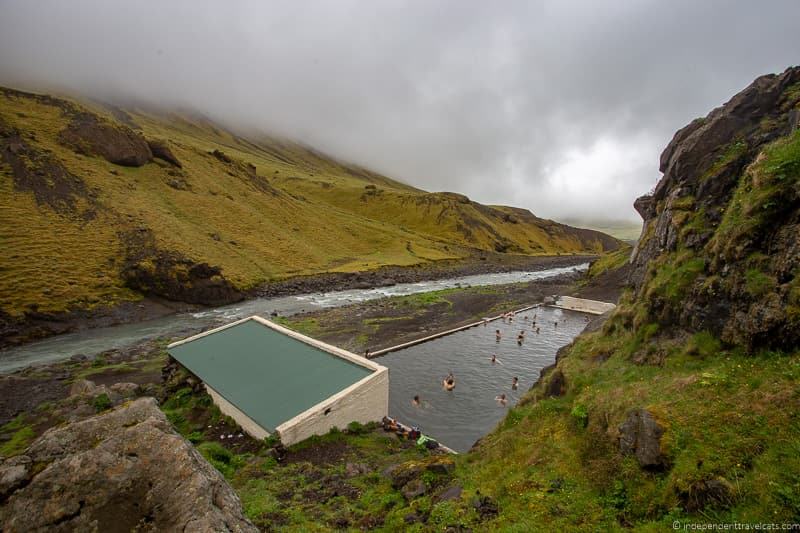
- You don’t have to pay a lot (or even anything) to visit a thermal pool in Iceland. For instance, the Nauthólsvík beach and hot pool in Reykjavík is free in summer, and you’ll find free (or inexpensive or donation only) small hot pools throughout less populated areas of Iceland (e.g., Westfjords). Public city pools, found in almost every town in Iceland, are inexpensive and a great place to meet locals. If you are looking for a premium pool experience but find the Blue Lagoon too expensive, note that the Blue Lagoon’s entry-level Comfort package (from 9,990 ISK) is actually less expensive than some alternatives like Sky Lagoon (from 13,990 ISK). Public city pools remain the best budget option at just a few hundred ISK per visit.
- One of our favorite free thermal experiences in Iceland is the Reykjadalur Hot Spring River near Hveragerði, about 45 minutes from Reykjavik. The hike to the river is about 3.5 km each way and takes roughly 45 to 60 minutes in good conditions (longer in winter when the trail can be icy, so bring microspikes). Once you reach the river, you can soak in naturally heated water ranging from about 36 to 40°C, with hotter temperatures the further upstream you go. The hike and hot spring are completely free, and there are basic wooden changing screens along the riverbank. Parking at the trailhead costs about 200 ISK per hour via the Parka or EasyPark apps, and you should budget 3 to 4 hours total for the round trip hike plus soaking time. It is a much more authentic Icelandic experience than the Blue Lagoon and costs almost nothing.
- Note that while many natural attractions like waterfalls and beaches are free to visit, most now charge a parking fee of 750 to 1,040 ISK per car. Download the Parka app before your trip to handle parking payments easily. These fees are a relatively new addition and can add up over a week-long road trip, so factor them into your budget.
- Be sure to check for free museum days, festivals, concerts, or other events that may be taking place during your trip. There is almost always something free taking place, especially on summer weekends, in cities like Reykjavík and Akureyri!
19. Take Advantage of Discount Passes & Coupons
One way to save money in many destinations is to check for available discount passes, special offers, and coupons. We list some of the ones we know about below, but we recommend keeping your eyes open for deals as you travel. For instance, a number of attractions offers discounts to other nearby attractions with the purchase of a ticket.
Here are some discount cards and coupons to consider in Iceland:
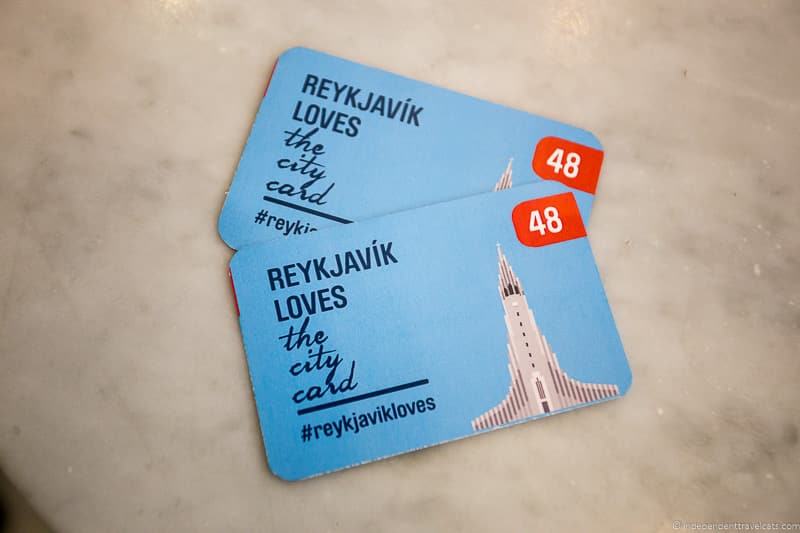
Reykjavík City Card – The Reykjavík City Card offers free entry to several museums and attractions within Reykjavík including Árbæjarsafn (open-air museum), Reykjavík Zoo & Family Park, National Museum of Iceland, and the National Gallery of Iceland. It also includes free access to the city’s public thermal pools and saunas, free bus service within the city, and restaurant and attraction discount offers. Although not designed for all travelers, it can save you quite a bit of money if you plan to visit several of the included attractions while in the capital and take the bus. We’ve used it on our first trip and saved money using it. The 24-hour card is 5,500 ISK (~$44 USD), 48-hour is 7,700 ISK (~$62 USD), and 72-hour is 9,500 ISK (~$76 USD).
Icelandic Coupons – This is a discount printed brochure (and now also in app form) that gives you a number of discounts to a variety of attractions and services in Iceland geared to travelers, including restaurants, car rentals, spas, bars, and tours. The coupon book is cheap (about 1,500 ISK) and you can often get your money back by using one coupon. The best part is that you can check most of the coupon deals online before purchasing it to see if it will save you money. You can purchase the new app online or the coupon book in Iceland at these locations.
Reykjavi´k Art Museum – This isn’t a pass but the museum has three separate locations in the capital and if you purchase admission to one site, you have free admission to the other 2 as well. The admission ticket is valid for 24 hours for Hafnarhu´s, Kjarvalsstaðir. and A´smundur Sveinsson Sculpture Museum. A good value for art lovers.
Camping Card. – Already mentioned under the camping section earlier, this card should be considered by anyone planning to camp in Iceland. The card allows for up to 2 adults (plus up to 4 children under age 16) to camp for up to 28 nights total (in a tent or campervan) in any of the participating 40+ campsites! You can only stay overnight for up to 4 nights in each campsite.
Hostelling International Membership — If you are planning to primarily stay in hostels, you might consider becoming a member of this non-profit hosteling organization. Many hostels in Iceland (as well as around the world) are part of the Hosteling International group and members save at least 10% on the hostel rate. You can purchase a low-cost 12 month membership at any participating hostel or buy it online before your trip.
20. Spend Money on Tours & Experiences You’ll Remember
If you are traveling to Iceland on a budget, you will want to spend your money on experiences that are special. Luckily there are loads of free things to do in Iceland! But we recommend that all travelers, even those on a tight budget, to Iceland choose one or two special things to splurge on while in Iceland.
For instance, for many people, the Blue Lagoon is a must-see splurge experience. But for others it might be a glacier hike, snorkeling between the tectonic plates, a reindeer safari, a whale & puffin boat watching tour, a Northern Lights Jeep hunting tour, a beer walking tour, or exploring an ice cave.
Or maybe it is a day exploring the museums in Reykjavík, an evening performance at the Harpa, or a fancy dinner out.
Let your budget and interests guide you in your choices. Just choose experiences that you think offers good value and will be something that you’ll remember long after the trip!
21. Be Prepared!
Finally, we’d like to just reiterate that it pays (literally) to do a little research and be prepared for your trip. One of the main ways people end up spending more than they expected is because they didn’t do much travel research before their trip. People who show up in a country unprepared are much more likely to end up spending more money, especially in an expensive country like Iceland.
If you are traveling to Iceland on a budget, you don’t have to plan out every day of your trip, but do at least a little homework. Read a little about the culture and history of Iceland, know what places you definitely want to visit, understand the currency conversion rates and average prices for things, book things like must-do tours in advance, check the weather forecasts and road conditions, and pack the things you’ll need like waterproofs, warm clothing, and swimwear. Investing a little time in advance will help you save money and travel smarter in Iceland!
You can find loads of information on travel blogs like ours (you’re already doing your research!!), the Iceland official tourism website, and in guidebooks such as this Lonely Planet guide and this Rick Steves guidebook. If purchasing a guidebook, choose one that has been published (or edited) in the last year or two.
Just note that there is a lot of outdated (and not so accurate) information out there, particularly on message boards and travel blogs. If you not sure about something and are finding conflicting information, keep searching and try to check a more authoritative source (e.g., official tourism website, well-regarded recently published guidebook, Safe Travel website, the Environmental Agency).
Frequently Asked Questions About Traveling to Iceland on a Budget
How expensive is Iceland compared to other countries?
Iceland is consistently ranked among the most expensive countries in the world for visitors. Prices for food, accommodation, fuel, and activities are significantly higher than in most of Europe and North America. However, with careful planning, you can manage costs. Many of Iceland’s best attractions, like waterfalls, beaches, and geothermal areas, are free to visit. The biggest expenses are typically car rental, accommodation, and food, and all three can be reduced with the strategies in this guide.
What is the cheapest way to travel around Iceland?
The cheapest way depends on your group size and travel style. For solo travelers, public buses and organized day tours from Reykjavik can be less expensive than renting a car when you factor in insurance, fuel, parking, and the km-based road tax.
For couples or groups, renting a car and splitting costs is often the best value, especially if you self-cater and stay in guesthouses. Camping with a Camping Card is the least expensive accommodation option, at about 900 ISK per person per night if you use it for the full 28 nights.
Can you do Iceland on a budget?
Yes, but it requires planning. Budget travelers who camp, cook their own meals from grocery stores like Bonus and Kronan, drive a compact rental car, and focus on free attractions can manage on around 25,000 to 35,000 ISK (~$200 to $280 USD) per person per day.
This is not a shoestring backpacker budget by global standards, but it is achievable in Iceland with some discipline. The biggest savings come from choosing guesthouses or camping over hotels, cooking your own meals rather than eating out, and traveling outside the peak July-August season.
How much should I budget per day for Iceland?
For two people traveling together in 2026, a reasonable daily budget is 25,000 to 35,000 ISK (~$200 to $280 USD) per person for budget travel, 40,000 to 55,000 ISK (~$320 to $440 USD) per person for mid-range, and 60,000+ ISK (~$480+ USD) per person for comfortable travel. These are winter and shoulder season estimates. For peak summer (July-August), add 30 to 50% to the accommodation and car rental portions of your budget.
Is it cheaper to visit Iceland in winter?
Yes, generally. Accommodation and car rental prices are typically much lower in winter (November to April) compared to peak summer (July to August). We have seen hotel prices nearly double in summer compared to what we paid during our winter trip. Flights can also be less expensive in winter. The main trade-off is fewer daylight hours, colder weather, and some attractions and roads being closed. However, winter also offers unique experiences like Northern Lights viewing and ice cave tours that are not available in summer.
Can I camp anywhere in Iceland?
No. If you are sleeping in a campervan, motorhome, or any vehicle, you must stay at a designated campsite. For tent camping, you can technically pitch a single tent for one night on uncultivated public land away from buildings, but this does not apply in national parks, nature reserves, or most popular tourist areas. In practice, the safest and most responsible approach is to always use designated campsites. Campsites cost 1,500 to 2,500 ISK per person per night and the Camping Card offers great value for longer trips. Check the Environment Agency of Iceland for the full rules.
Do I need cash in Iceland?
Almost never. Iceland is one of the most cashless countries in the world. Credit and debit cards (including contactless) are accepted virtually everywhere, from restaurants and museums to rural gas pumps and food trucks. The main thing you need is a card with a PIN for unmanned gas stations. We traveled around Iceland for weeks without using cash at all. You do not need to withdraw Icelandic kronur unless you specifically want to.
What are the hidden costs of traveling in Iceland?
The costs that catch most travelers by surprise are parking fees at major attractions (750 to 1,040 ISK per stop, adding up over a week), the kilometer-based road tax on rental cars (6.95 ISK/km, billed after you return the car), car insurance upgrades beyond basic CDW, and the price of alcohol (very heavily taxed). Restaurant meal prices also shock many visitors, with a simple dinner for two easily reaching 12,000 to 18,000 ISK before drinks. Planning for these costs in advance will help you avoid budget surprises.
If you have any questions, feel free to reach out to us. We don’t know everything but we’re more than happy to give you our own travel advice based on our travels in Iceland. We also have contacts in Iceland and are happy to try to point you in the right direction for anything we don’t know ourselves!
So that’s our Iceland on a budget guide to how to save money in Iceland! Have you been to Iceland? If so, do you have any money saving tips of your own? If you are planning a trip to Iceland, feel free to leave us any comments or questions in the Comments section below. We love hearing from readers!
Craig Yost Post author
Hi Jessica,
The two wandering bears have done two trips to Iceland. Your review is spot on. We did rent Airbnb’s for lodging and a 4 wheel drive car to travel up into the highlands. Went in September. Good time to go. Ate out only in gas stations. cooked in our lodging. Go for the scenery.
Craig and Jane Yost
AKA The Two Wandering Bears
Jessica & Laurence Norah Post author
Hi Craig and Jane,
So glad that you found our budget tips for Iceland helpul and that you have had such a great time in Iceland. Tt can be an expensive country but there are lots of ways to stretch a budget and make for a more affordable tip especially around food and drink! The scenery is definiteily one of our favorite things about Iceland as well, especially for Laurence as a photographer and luckily most things you can see for free or just the cost of parking!
Best,
Jessica
Greig Millar Post author
Great advice, really clear and helpful!
I’m planning a trip to Iceland for my wife’s 40th in February and there is so much to do! We will only be able to stay for 3 days and neither of us have driven abroad before. Looking for your opinion on what the must does are on our visit and ones we can get to easily from Reykjavik.
Jessica & Laurence Norah Post author
Hi Greig,
Glad that our posts have been helpful. I am sure your wife is going to love a trip to Iceland to celebrate her birthday.
So do you have 3 full days total in Iceland? If that is the case, then I’d probably recommend just basing yourself for all 3 nights in Reykjavik. Maybe one day do Blue Lagoon (this can be done on way or to the airport) and attractions of interest in Reykjavik itself. Or if on a small budget, consider doing one of the nice city geothermal pools instead of the Blue Lagoon. Then one day out to the Golden Circle sites (such as Þingvellir National Park, Gullfoss waterfall, the geysers Geysir and Strokkur, Kerid crater). And a third day you could go out to see some of the South Coast highlights (such as Lave Centre, Seljalandsfoss waterfall, black sand beaches, and maybe even all the way out to Jökulsárlón Glacier), or alternatively you could go northwest and see some of the Snæfellsnes Peninsula.
You could do the drive each day from Reykjavik and find lots of things to do. The Golden Circle sites, Blue Lagoon, Borganes, and some of the waterfalls etc. are all easy day trips. But if you want to head out all the way to the glacier lagoon, that is full day of driving so that is best done either as an overnight trip or book a day tour so you don’t need to worry about the drive back.
If you decide to drive and want to head out all the way to the glacier lagoon, I’d probably do one night in Reykjavik (to go to Blue Lagoon and visit city attractions), one night around Selfoss or Hella (after visiting Golden Circle sites), and then one night in Vik (after driving out to glacier lagoon [although this is a pretty long drive so you can decide if you want to go out that far or not], but this is pretty long drive from Selfoss/Hella and back to Vik). Then you’d need to drive to the airport from Vik which is about a 3 hour drive.
Here is a 3 day Iceland itinerary for those who just have 2-4 days in Iceland that I think might help. It can be followed if you are driving or taking tours.
But really if you just have 3 days, it might make sense to just book tours and I’d price it out and weight the pros and cons. This would allow you to just stay in Reykjavik all three nights and not have to move hotels. You would also not need to rent a car or worry about driving, insurance, or parking. If you do that, I would just choose a central hotel that is within walking distance (or easy bus ride) of any city attractions you want to visit and tour bus pick-up point (many will pick up from central hotels).
No matter what you choose, I ‘d recommend planning at least one or two activities, whether that is a glacier hike, ice cave visit, snorkeling, boat ride, whale watching tour, Northern Lights tour, geothermal pool, snowmobiling, horseback riding, food tour, etc. Activities can be a bit pricey but are really worth doing one or two.
Anyway, hope that helps give you some ideas. Feel free to follow-up and happy to try to give more advice.
Best,
Jessica
Greig Millar Post author
Hi Jessica, Thanks for replying your thoughts/suggestions have really helped. We arrive on Saturday the 11th of February at 3pm and leave on Tuesday the 14th at 7.30 so it’s really 2 and a half days. This is where we are staying https://www.booking.com/hotel/is/skolavordustigur-apartment.html?aid=1447673;label=ITC
Booked central like you suggested just now need to book the circle and blue lagoon trip plus a northern lights experience. Do you have any suggestions on the best tours/operators and the must sees in Reykjavik city centre, I think we will spend Saturday afternoon exploring.
Thanks Greig
Jessica & Laurence Norah Post author
Hi Greig,
So that is a a great location in Reykjavik. Since you have limited time, I’d just do a little research on any things you really want to see in terms of museums, attractions, etc. But you are within walking distance of Hallgrimskirkja (the main church), the National Gallery, the National Museum, the Sun Voyager sculpture, the big concert hall, Hljómskála Park, etc. so you can see a lot without needing a bus or taxi. You are about a 25 minute walk (or short bus or taxi ride) to the harbor area which has some nice views, where the whale watching tours leave, and where you’ll find a few museums (Whales of Iceland, Maritime museum, Saga Museum). You are also a 10 minute walk from the main bus station where most of the buses leave for the airport, Blue Lagoon, etc.
In terms of where to look for tours and tour companies, there are several tour operators in Iceland, some big ones being Grayline, Reykjavik Excursions, and Iceland Travel. But we generally recommend looking at tours on GetYourGuide and GuidetoIceland for options and comparing reviews and pricing.
Some tours that may work for you are Blue Lagoon & Northern Lights tour, a classic Golden Circle tour with Kerid Crater, a Golden Circle tour that also includes the Blue Lagoon. So those may give you a good starting point.
For your time at the Blue Lagoon, since this is a pricey experience for many, I would just make sure that whatever you book you have plenty of time. You’ll want a minimum of 2 hours but some people like to relax and spend more time there so if you book a timed tour, just be sure you have the amount of time you want/need there to really enjoy it. You can also buy bus tickets to just go to the Blue Lagoon on a bus such as this one or book transfers to or from the airport that include the Blue Lagoon if it is not included in a tour you decide to do. Just note that if you buy just a bus ticket, you will also need to book your admission ticket to the Blue Lagoon itself.
Hope that helps!
Jessica
Michelle Post author
Do they have any tours to all parts of Iceland with many stops / over nights etc this site is so helpful especially when needing to travel on a budget . Want to see the places where not many tourists go , too and do the perimeter of the whole country somehow with a tour or any suggestions . Thanks you . wanting to go in late September / early October when it’s cheaper and less crowded .
Jessica & Laurence Norah Post author
Hi Michelle,
We are glad that our travel articles in Iceland have been helpful in planning your upcoming trip to Iceland. We are happy to try to give you some advice on your trip.
It sounds like you are most interested in doing a trip around the Ring Road. We would suggest at least 7 to 8 days for that trip to ensure you have time to see a number of the highlights. This is a popular tourist route however, but going in the off-season will mean it will be less crowded.
Can you give us some more info to better help you:
1. How many days are you planning to be in Iceland?
2. How many people are traveling?
3. Are you looking to join a guided tour that includes all your transport?
4. What is your budget for the trip?
5. What kinds of things are you most interested in seeing/doing?
Best,
Jessica
Jack Post author
Thank you for sharing this post, I am planning to visit Iceland soon. I have heard that one of the most helpful tips is to learn some Icelandic. It is very rare language and locals will appreciate that a lot if you can say something in their language 🙂
Jessica & Laurence Norah Post author
Hi Jack,
You’re very welcome and hope our advice is helpful in planning your trip to Iceland.
Learning some greetings and phrases in a local language is always a good idea and a nice way to show some effort.
However, in Iceland, almost everyone speaks English (I think over 90% of Icelanders) so if you speak English, you will have no issues communicating with people, especially as a tourist. Also, just to note, most of the foriegn born workers (who make up a decent percentage of workers in the hospitality and tourism industry) don’t actually speak Icelandic so if you get a blank face to an Icelandic greeting, that might be why 😉
Wishing you a great trip to Iceland, and just let us know if you have any questions!
Best,
Jessica
Angie Neis Post author
Hi Jessica, My family and I are planning a 14 day trip around Iceland this July. I would like to see the best off the beaten path hot springs. Which do you recommend?
Jessica & Laurence Norah Post author
Hi Angie,
It will depend on where you will be in Iceland and the age/physical ability of those in your group as some do require a bit of hiking to reach.
The hike up to the Reykjadalur valley hot springs is a popular one if looking for a natural setting but still safe (just heed the signs and be careful as some spots can be way too hot). The hike takes about 1 hour each way I think to reach the bathing area.
One of our faves was Laugarfell – two small hot springs located in a lovely setting well away from the main roads. No hiking required to get here. Small fee to visit and there is a changing room, cafe, and a place to stay overnight. There are also great hikes from here, we particularly recommend the waterfalls trail. The nearby Wilderness Centre is a great place to visit (they have a museum exhibition) and to stay (offer historical accommodation) and they have their own hot springs spa that guests can use. A great place to stay for a couple of days if looking for something different. We really enjoyed staying in this area. Need a 4X4 in this area and often not accessible in winter months.
Other small ones to consider are Seljavallalaug Swimming Pool, Hjalteyri Hot Tub, Hofsós Swimming Pool, Laugavallalaug hot spring, Krossneslaug, Gvendarlaug, and Grettislaug thermal pool. We’ve been to most of these.
There are also, of course, the nicer ones like Blue Lagoon, Krauma Baths, Secret Lagoon, Sky Lagoon, etc. If looking for an alternative to the well-known Blue Lagoon, the closest is Mývatn Hot Springs.
I’d also say that the public geothermal swimming pools are great (there are many in Reykjavik and normally one in each larger town) and were not crowded at all in the middle of the days when we visited. They have great facilities, are relatively inexpensive, and are where most Icelanders swim. The Nautholsvik Geothermal Beach is also an interesting option as it has an outdoor beach area in Reykjavik.
Hope this helps you get started! If you have more info on what type of spring or which area of Iceland you are looking, happy to provide more thoughts as you plan your trip to Iceland. There are just so many of them and we’ve been to over 20 so hard to narrow down as each is a bit different.
Best,
Jessica
Angie Neis Post author
Thank you Jessica, that helps. Is it hard to find open campgrounds town to town?
Jessica & Laurence Norah Post author
Hi Angie,
We give a couple of links to websites that list a lot of the campsites in Iceland within the Camping section above. So I would use those lists to tentatively plan where you want to stay. You normally don’t need to (and often can’t) book in advance, especially if you don’t need any hookups. But you can also call in advance on the same day to check to make sure they have space and are open. Most campsites are seasonal and are generally open from May to September.
Normally campsite availability is not a big issue, but I would recommend planning to arrive before dark to find a spot and make you have a place to stay the night.
You might check out the costs of the mentioned Camping Card and see if that would save you money based on your trip plans. The Camping Card allows you to stay at about 40 campsites around Iceland and also gives you a few discounts such as on gas and food.
Hope that helps!
Jessica
Jan Post author
This was amazing! I’ve been reading this over and over and I know you published this article a while ago. I’m graduating college this year with my boyfriend and decided to take a trip to Iceland on January 4th, 2022. We booked it at this time because we heard January is the best time to see the northern lights and there was practically no one there. However, learning more, we realized there are less daylight hours and much more snow. Any tips on places we should check out/advice on how to make the most out of January timeline? Additionally, do you have your favorite itinerary for a 6 day self drive?
Jessica & Laurence Norah Post author
Hi Jan,
I am excited to hear that you are planning a trip to Iceland in January! We have several articles on traveling to Iceland in winter and have visited in both winter and summer.
While there are fewer visitors in winter, it is still often pretty busy, especially in popular areas. Before the pandemic, the numbers were increasing each year. So I’d still expect crowds, especially at the main tourist hotspots like waterfalls, beaches, viewpoints, museums, etc. Late fall and winter are the best times to have a chance to see the Northern Lights because of the greater hours of darkness, but being able to see them is still very dependent on solar activity and weather during the time of your visit.
We have a 7 day Iceland self drive itinerary that should be helpful to you as it is specifically designed for winter and winter weather. We’d recommend concentrating on Reykjavik and south coast (and also west if have time) for your trip. It sounds like you have 6 full days (or do you just 6 days total including days you need to fly in and out?) so you’ll need to cut a day. If you have more like 5 full days, then I’d consider this 5 day Iceland itinerary instead which works well year round.
I’d also recommend booking any activities you want to do in advance as many require guides and/or equipment to be able to do, whether it is snowmobiling, visiting an ice cave, winter hiking, or going on a whale tour, etc. We have a guide to a number of the most popular things to do in Iceland in winter here.
I’d also recommend reading this article if you plan to rent a car and drive yourself for Iceland driving tips for winter. If you decide to drive yourself, you want to make sure you rent an appropriate car, know about winter driving, and have good insurance coverage (car repairs in Iceland are very expensive).
You are going to have shorter hours and less time to see and do things. Weather can also be worse with rain, snow, or sleet and potentially bad road conditions. In early January, they are going to be very short in terms of the time between sunrise and sunset (4.5 to 5 hours), so that is a good thing to be aware of when you plan your trip and activities. You’ll want to try to ensure you get what you want to see done in between those times and not to spend too much of your daylight hours driving in the car. You can also try to fit in inside activities in the morning or late afternoons when it’ll be dark outside. The best thing you can do is to just plan ahead and book any sightseeing and outdoor activities during those daylight hours. You won’t have much time for sightseeing compared to those visiting in summer, so you’ll want to make the most of it and focus on specific areas each day. Prioritize what is most important for you to see and do each day and focus on that.
For the winter weather, you just need to make sure to dress appropriately and bring the proper winter gear. You can check out this article about what to pack for Iceland in winter for tips.
Anyway, hope that helps answer all your questions. If you have any further questions, just let me know and happy to help!
Wishing you a wonderful trip!
Jessica
Luana Post author
Thanks for the tips I’ve always wanted to travel to Iceland but I started looking at the prices and my financial conscience and I’m about to give up so far, thank you so much
Jessica & Laurence Norah Post author
Hi Luana,
I am glad our budget tips for Iceland are helpful to you. Obviously, it is not a place you might want to travel on a really tiny budget (I’d recommend saving up if your budget is really small and go later or find a cheaper alternative destination) but if you have a decent budget to cover the costs you can definitely do a lot of things to save money whether it is avoiding alcohol, making your own food, getting passes and discount cards, staying in budget accommodation, taking public transit, etc. The biggest thing you can do is to plan ahead, research costs, and book the big things in advance so you know the costs upfront.
If you have any questions as you plan your trip to Iceland, just let us know!
Best,
Jessica
Maggie Hatch Post author
Thank you so much for this informative post. My husband and I are hoping to book travel 4/25-5/2 2020 from the US. Do you think the 7 day ring road intermarry would be possible? And do you have any advice for us? We are young 60s, love natural beauty and adventure. Thank you in advance.
Maggie
Jessica & Laurence Norah Post author
Hi Maggie,
There can still be snow/ice in April/May so that is something to keep in mind. There will almost certainly still be snow in the Highlands areas but the F roads there are closed anyway during those months.
You can do our recommended 7 day Ring Road itinerary(it is best if you have 8 days for it). But just note that it means moving each night and quite a bit of driving, and as noted, road conditions can still be bad at that time of year. It is a good way to see the highlights and do the Ring Road.
If you don’t want to drive yourself, there are also tours that follow the Ring Road (with a few detours) such as this 9 day tour, and this 6 day tour.
But if you want something more slowly paced and more focused, we’d recommend this 7 day Iceland itinerary which is great for that time of year. It focuses on western and southern Iceland with some time to explore Reykjavik.
Another idea is to consider just choosing a region or two and concentrating your explorations there. This is a more relaxed approach and you’ll get to explore a region more in depth. If you are most interested in hiking, wildlife, or water activities, I’d definitely recommend considering a trip a little bit later in late Spring/early summer.
Iceland has natural beauty all over and the south is really scenic but is the busiest area of Iceland in terms of tourism. If you are looking for less busy regions to explore, East Iceland and Westfjords are two beautiful areas that get fewer visitors and have a lot of undeveloped natural areas. So you might consider one of them.
If East Iceland appeals, we’d recommend considering spending a few days at the Wilderness Centre in East Iceland, it is a museum with accommodation on a farm with lots of activities possible like trekking, horseback riding, Icelandic home cooked meals, stargazing, hot springs, reindeer spotting, etc. We stayed there and can highly recommend it if you are looking for something a bit different.
Anyway, hope that helps give you some different ideas, but it really depends on how you like to travel and what is most interesting to you.
Just let us know if you have further questions as you plan your trip to Iceland. Another good place to get itinerary ideas and advice is our private Facebook group – a friendly group for readers to talk about travel and photography – many of the folks in there have been to Iceland.
Best,
Jessica
Mandy Post author
Great article! ?? Thank you for the information. I’m travelling to Iceland the first time with my partner and landing at around 10:30pm on 25 Dec. We rented an apartment on Laugavegur 86. The host tell us to take the flybus from the airport to only the BSI air terminal down town Reykjavik, then take a taxi to a guesthouse on Laugavegur 41 to get the keys then onwards to the flat Laugavegur 86-94 (They will pay for the taxi).
It will be the Christmas evening. I am concerned if there will be any taxi at the terminal at that hour of the day? The private transfer I have checked is super expensive. Any advice would be very much appreciated!
Jessica & Laurence Norah Post author
Hi Mandy,
The Flybus usually runs according to the flight schedules since they know when the major flights are arriving, but I would definitely check the schedule (to ensure they will be running as normal that day). You can book your ticket in advance.
For the taxi, I think you will be able to get a taxi from the bus terminal on Christmas evening but it may be more difficult than usual as most Icelanders spend Christmas with their families. I’d try to schedule with a taxi company in advance if you know the time you will need to be picked up. Or just have the phone numbers for local taxi companies written down or in your phone so you can call once at the bus terminal in case they are not waiting on arrival. It may also be a good idea to give them a call in advance to make sure they are running on Christmas Day as you don’t want to have to spend a lot of time trying to arrange a ride late at night.
If none of the taxi companies are running (unlikely but good to check before your trip), I’d let your hosts know that you can’t find one and see if they can help you find one or if they are OK paying for a more expensive private transfer arrangement.
Wishing you a wonderful trip to Iceland,
Jessica
Blanche Post author
Hi Jessica and Laurence. This is an awesome guide to Iceland.
First, I’m wondering about credit card usage. Is a PIN really necessary? Or are charge and sign credit cards accepted there? Online articles on these are confusing.
Second, where is the best place to change currency to krona?
Thanks so much.
Jessica & Laurence Norah Post author
Hi Blanche,
Yes, I think that most places in Iceland can still take the chip and signature credit cards. However, if you are planning to use unmanned gas stations, ticket pay stations, etc. they may not work. So I’d stick to places where there is staff available in case your card is declined.
We just used our debit cards to take money out of ATMs in Iceland to get krona. We find this is normally the best way to do it. ATMs are fairly easy to find in Iceland. We normally use ones attached to a bank when possible, but you can also find them at fuel stations, the airport, etc. Some debit cards and credit cards do not charge foreign transaction fees and if you have such a card, I’d recommend using that when taking out money when traveling abroad. If you are not sure, I’d check with your bank.
Best,
Jessica
Sharon Townsend Post author
This is a brilliant, informative travel blog for anyone wanting to visit Iceland ! Many thanks for all the information and tips.
Jessica & Laurence Norah Post author
Hi Sharon, Thanks for taking the time to let us know it has been helpful to you! Just let us know if you have any questions as you plan your trip to Iceland. Happy travels, Jessica
Barb Penttila Post author
I found your blog very helpful. My husband and I are going to be in Iceland morning of Oct. 12 to noon of Oct 17. He wants to rent a car and drive around the entire country. Is this feasible at that time of year? Also how much daylight will we have?
Jessica & Laurence Norah Post author
Hi Barb,
Glad you are finding our blog helpful in planning your trip to Iceland. Now, is it possible to drive around Iceland (I am assuming you mean the Ring Road) in 5 days in October. However, we’d not recommend it. We’d not recommend trying to drive that much any time of the year, just as you will spend way too much time driving and in hotels, and not have enough time to really explore too much along the way.
We’d recommend at least 5 days just explore the main South and Western parts. So I’d recommend choosing an area or two of Iceland you want to explore and do that instead of trying to drive around the country. Or consider staying for longer, we’d recommend at least 7 full days for that drive and you can see our recommended 7 day Ring Road itinerary here.
October weather is generally OK for driving, just check the road conditions before you set out each day. You’ll have about 9.5 to 10 hours of daylight each day. I’d dress and pack for cool weather. Rain and strong winds are common.
With the time you have, I’d recommend taking a look at our 5-day Iceland itinerary and our 7-day Iceland itinerary. Both are designed for all year round, but obviously you’ll need to take into account daylight hours.
Hope that helps!
Best,
Jessica
Ann Flannery Post author
Hi!
My husband and I are self driving in Sept- do you suggest exchanging money or are we able to use credit card everywhere? We are doing the Ring Road.
Thanks,
Ann
Jessica & Laurence Norah Post author
Hi Ann, I would recommend maybe taking out the equivalency of USD $100 in Icelandic krona your first day so that you have local cash to use for any places that do not accept cards, the card readers are broken (this happened to us a couple of times), your card doesn’t work for any reason, to leave tips, etc. We recommend that in any country you travel to always have a bit of local cash.
But almost all places in Iceland accept credit cards for payment so you shouldn’t need to use cash often (if at all). If you find you have not used the cash by the end of your trip, I would recommend paying for things on your last day in cash as it is very difficult to find places that will exchange Icelandic krona outside of Iceland.
If you need more cash once you start your drive along the Ring Road, you can find ATMs at many fuel stations, banks, etc. along the route in the bigger towns.
Best,
Jessica
Rahul gopi Post author
Beautiful place! Lovely pictures! seems like a country worth visiting.
Jessica & Laurence Norah Post author
Hi Rahul, Yes Iceland is definitely a beautiful country and I hope you have the chance to visit! Best, Jessica
Zara Post author
Thank you so much for all this helpful info-the first time I’ve heard of the equivalent of hop on/off bus here. Curious if that plus Airbnb would be cheaper than camper van for 2-3 people. If camping is doable in August I know that’s obviously be the cheapest-as long as the bus goes to the camping sites. What are the must sees to put up with the crowds? Otherwise I’m perfectly fine w the road less traveled if you have any refs. You already gave me a good alternative to the blue lagoon.
Jessica & Laurence Norah Post author
Hi Zara,
Yes the summer buses can be great especially for hikers and those wanting to explore the South Coast of Iceland. I am not sure if it would be cheaper to do Airbnb + bus or campervan and I would compare rates as it will depend on campervan rates for your dates as well as availability of Airbnb spots near the bus routes.
But yes if you are up for tent camping, that is probably going to be your cheapest option in Iceland. August is a good month for camping as it is warmer. The issue with Airbnb is that you will need to make sure places you book are close to bus stops. You will want to check the route and make sure it corresponds to the places you most want to go/stay. The buses do stop near some campsites so it is possible to do buses + camping as well.
I do think many of the Golden Circle sites are worth visit as well as some of the major waterfalls, but there are so many waterfalls in Iceland that you can also see lesser known ones as well. Glacier Lagoon is also a really pretty site that I think is worth the crowds to see. The Snæfellsnes Peninsula is a really scenic area but can be very crowded in spots.
The least crowded areas of Iceland are East Iceland, the Westfjords, parts of the north, and the inner Highlands. However, even if you are focused on the more popular and most visited South and West, you can still find places to escape the crowds.
I’d choose at least one museum during your trip to learn more about the country and its culture. The Skogar Museum, Herring Era Museum, and Árbær Open Air Museum are a few favorites – museums tend not to be that crowded.
One thing I’d recommend splurging on is at least one cool experience whether that is a boat tour, ice caving tour, special jeep tour, food tour, cooking tour, kayaking, wildlife tour, etc. I’d find an experience everyone is interested in and do that. We really enjoyed the tours and they are some of our most memorable experiences.
Hiking is great in Iceland during August and free 😉 The buses are ideally situated for hikers and you’ll find both short and longer hikes. Hiking is popular in the summer but the trails are not nearly as busy as popular tourist attractions such as the Golden Circle sites and popular waterfalls and beaches. I’d ask around locally where you are staying for suggestions for lesser known routes and trails if you are less interested in the popular trails.
I’d also definitely recommend at least a day exploring the capital city of Reykjavik, there are many attractions but the city is worth it even if you don’t plan to visit any particular place. You can explore it by foot and/or public bus. This is also a good place to go for a nice meal, shopping, and see local art. Lots of great public thermal swimming pools for good prices here, recommend if you have the time. Some of our favorite places to wander around on food are along the harbor area, Laugavegur (lots of shops/businesses along this street), Hljómskálagarður (park), and Öskjuhlíð (forested walking paths).
Hope that helps!
Jessica
steve martin Post author
Amazing tips, every one wants saving when they are going anywhere in travelling ,i think these tips is very helpful for those people, thanks for share this informative blog.
Jessica & Laurence Norah Post author
Hi Steve, thanks for taking the time to comment and glad you found our article helpful. Just let us know if you have any questions as you plan your trip to Iceland. Best, Jessica
Liesl Post author
Do you have a suggestion for outerwear for our trip at the tail end of July? My husband and I both have bulky waterproof ski clothes but I’m wondering if that will be too warm – would a medium-thickness coat with removable shell be better? Thank you for your informative post!
Jessica & Laurence Norah Post author
Hi Liesl, Yes, at the end of July ski clothes are likely going to be too hot and bulky for Iceland. It rarely gets hot in Iceland but it should be relatively warm during the days (July is normally the hottest month), temps in July are often between 50 and 70 F or 10 to 22 C but you’ll still want to bring a warm jacket or light coat so the medium thickness one you mention should be fine. You’ll also want something rainproof. Best, Jessica
Kons Post author
hi, my wife & I are intending to go Iceland but we want to do snowmobile which is so expensive. Is there any company you know that offer rental of snowmobile for 2 riders on 1 snowmmbile? my wife would not like to drive. thanks
Jessica & Laurence Norah Post author
Hi Kons,
Yes, snowmobiles are pretty expensive machines so the costs for the guided tours are usually a bit pricey. But most tours assume that 2 adults are sharing 1 snowmobile. If it is your first time snowmobiling, I’d recommend doing one of the shorter snowmobile tours of 1 to 1.5 hours.
Here are a couple of such options:
– 1 hour snowmobiling trip on Myrdasjokull Glacier (tour location is east of Skogar): here
-Golden Circle day tour from Reykjavik plus 1 hour of snowmobiling: here.
Hope this helps!
Jessica
kons Post author
lol the prices are crazy and we’ll skip for these prices i can take a helicopter ride in Australia. we’ll just self drive from Reyjavkik to Vik to visit the free attractions thanks for your advice
Jessica & Laurence Norah Post author
Hi Kons, Yes, snowmobile tours are kind of pricey, but perhaps you will find another activity that is a a better fit with your budget. Enjoy your trip to Iceland. Best, Jessica
Swati Khurana Post author
Hi,
The article is so informative and cleared most of my doubts. A big thanks for writing it.
I am planning to visit Iceland in November with my husband from India. It will be our first international trip together.
We are looking for:
1) Budgeted places to stay where we can prepare our food and spend some quality time together
2) Recommendations for day tours as we are not used to the left side steering drive
3) How to check what all food items are permitted from India to Iceland (so that we can save food cost)
We would be really grateful if you can cater to these queries.
Thanks in advance.
Jessica & Laurence Norah Post author
Hi Swati,
Glad you are finding our articles helpful in planning your trip to Iceland in November.
1.) The best base for you since you want to do day trips and not worry about driving is going to be in Reykjavik as this is where most day trips leave from and it also means that you can walk or take the bus to visit all the capital’s attractions. Then you will just need to book a shuttle to get you from the airport to Reykjavik and then a return when you leave. You’ll want to look at self-catering apartments (or possibly hostels) as most other types of accommodation (e.g., hotels, B&B’s) do not usually allow guests to cook. I’d checked for self-catering options here on Booking, apartments (I suggest filtering by those with kitchens) on Airbnb, and for more hostel options here.
2.) Yes, there are lots of day tour options from Reykjavik. It depends on how many days you have in Iceland but we would definitely recommend at least a day tour to see the Golden Circle, such as this one, and a trip to Iceland South Coast such as this one. But there are lots of options, and you can see our post about day trips from Reykjavik for more ideas.
3.) You can bring a small quality of food into Iceland without paying import duties but the quantity cannot exceed 3 kg (6.6 lbs) and the total value of the food cannot exceed 10,000 ISK (~ 90 USD). You can NOT bring in meat (raw/cured/heated), eggs, live plants, or any unpasteurized milk products (cheese etc.). So most other things should be OK. For grocery stores in Iceland, the three best budget grocery stores are Bónus, Nettó, Kronan. Bring a reusable bag with your for your grocery shopping to avoid having to purchase one.
Hope that helps, and let us know if you have further questions.
Best,
Jessica
Esther Post author
Thank you very much guys!
Your info is so helpful! I really want to travel to Iceland on a low budget and I wonder about hiking trails. Are there many of them in Iceland and were could I find more details about them (have you got any list of them or can you recommend any blog/website)? Is it possible to get on few days hikes and getting to the start point and from the end point without renting a car?
Many thanks!
Esther
Jessica & Laurence Norah Post author
Hi Esther,
Glad you found our Iceland budget tips helpful.
Yes, if you travel in the summer months (best time for hiking and to catch buses) then you can take advantage of the special hiking buses, sightseeing buses, and/or hiking passports mentioned. These are designed for travelers without a car (especially for backpackers and campers) and those who want to do some of the popular hiking trails. Most also stop at some of the most popular attractions and towns in Southern Iceland (waterfalls, national parks, etc.). See the Bus Passport section for some more info and links.
Two of the most popular hiking routes are the Laugavegur hiking trail (~ 4 days) and Fimmvörðuháls hiking route (~ 2 days) – both are great options in the summer months and included with most of the available hiking buses. One or both of these sound ideal if you are looking for 2 to 6 days of hiking and don’t mind camping or staying in huts. Easy to time it so you can get round trip bus connections and there would likely be many other hikers along the route doing the same thing.
There are also a number of shorter day hikes you can do like Glymur Waterfall and Mount Esja. Some hikes you can reach by the scheduled hiking buses or regular public bus, but others you’d need to arrange a taxi so probably not ideal if on a budget. For more on the best hikes in Iceland, see this page.
So I’d either do a hiking bus passport to get around, or I’d maybe pick some favorite hikes from a list and then see which ones would be practical for you to get to.
Hope this helps!
Jessica
T.R. Post author
Iceland is a dream place of mine but it’s expensive to go there. I like to witness how amazing AURORA is. Reading your blog inspired me to move forward and work to reach my dream place.
Thank you for the inspiration.
Jessica & Laurence Norah Post author
Hi T.R., So happy that you found our articles inspirational and you can definitely travel to Iceland on a budget if you plan ahead. Iceland prices have come down a lot in recent months so definitely a good time to plan a trip 😉 Just let us know if you have any questions. Best, Jessica
Yvonne Post author
Thanks for such great information! I’m really enjoying your blog. Could you tell us more about the outdoor pools that you mentioned? Is there a list online or could you tell us some of your favorite ones? We are planning to visit in May. Thanks again!!
Jessica & Laurence Norah Post author
Hi Yvonne,
Glad you are finding our travel blogs helpful in planning your upcoming trip to Iceland in May. There are lots of inexpensive and free hot springs and pools in Iceland, I think we’ve probably been to a couple dozen ourselves, so it depends a bit on what you are looking for (e.g., do you want any services like showers or toilets) and what part of Iceland you are visiting. But you are really never far from some sort of pool. if you have a specific area in mind, let us know.
But here is a list from a local to get you started that includes local pools and hot springs. I’d also add the Reykjadalur hot springs where you hike up and can bath in a section of a river.
If trying to avoid other tourists, the public pools in Reykjavik are really nice and inexpensive, and almost all have large indoor and outdoor areas with soaking pools of different temperatures, swimming pools, and hot tubs. These are the types of pools where most Icelanders actually go and offer showers, changing areas, and toilets. Many also offer children’s pools and areas.
Hope that helps!
Jessica
Pablo Post author
This is just a wonderful post! I’ve been meaning to visit Iceland for quite some time now and each read like this brings me a step closer I think. Cheers!
Jessica & Laurence Norah Post author
Hi Pablo, Thanks for taking the time to comment and glad you enjoyed our budget tips for Iceland. Do let us know if you have any questions as you plan your trip. Best, Jessica
Farrah Aviva Post author
I really like this post – a well written and educated post, all the given points & tips are amazing. Thanks for sharing this wonderful post on traveling on a budget
Jessica & Laurence Norah Post author
Thanks so much for taking the time to comment Farrah. Wishing you a great trip to Iceland. ~ Jessica
Sara Jannsen Post author
Hello! I just wanted to say a big THANK YOU for all your great information and advice about Iceland. From itinerary ideas to travel tips to budget tips, your information helped us feel good, save money, and travel well while we were there. We saw so much and did so much, much of it because of all your great blogs.
Thank you!
Jannsen Family from the Netherlands
Jessica & Laurence Norah Post author
Hi Sara, So happy you and you family had a wonderful trip to Iceland and thank you for the lovely comments 😉 We are glad you found our information helpful. Happy travels, Jessica
Ben Knapp Post author
Lodging prices are out of date.
Hostel: $60 per person per night in a shared dorm.
Homestays: $175 per night.
Hotels: $250 to $600 per night. 600 for peak season in summer. 250 for storm season in February.
Car rental: $1000/week winter, $2500/week summer.
Winter: $2000 for a week.
Summer: $6000+ for a week.
Hostels only, no car, no frills, one daily $30 meal and Kronan the rest of the time: $800.
Jessica & Laurence Norah Post author
Hi Ben,
Thanks for your thoughts on pricing; however, we disagree with the prices you listed. Our prices given are for the country-wide across seasons for people to use as averages for people who are budget-minded. For instance most hostels from Hostelling International Iceland offer shared dorm rooms from between $20 to $40 at the moment. A quick check of Booking.com shows hotels in Reykjavik (most expensive city) for about $125 for a 4-star hotel and a quick car search shows car hires starting at $400 with basic insurance coverage for this July.
You will of course encounter the prices you are mentioning but with a little of digging and research it is easy to stay and eat for much less as we know from both recent experience (we were in Iceland last summer and the prior winter) and from looking at official tourism data for rates and national pricing data. Also prices have actually decreased this year for those using USD as the local currency in Iceland has fallen and the dollar is much stronger.
Best,
Jessica
Zulfi Post author
Superb, well written and practical information. Thanks for taking to time share such insights. Very helpful. Hopefully we will follow your tips and enjoy our upcoming vacation in this summer.
Jessica & Laurence Norah Post author
Hi Zulfi, Glad you enjoyed our budget tips for Iceland, just let us know if you have any questions as you plan your trip to Iceland this summer. Best, Jessica
Jason Mars Post author
Oh wow I love how informative your article is about budgeting. We are traveling to Iceland and your blog posts are the best and we will use them to plan our trip. Thanks for all this great info!
Jessica & Laurence Norah Post author
Hi Jason, You’re very welcome – just let us know if you have any questions as you plan your trip to Iceland. Best, Jessica
Nagesh Lingayat Post author
Nice budget tips shared! Thanks for this helpful info.
Jessica & Laurence Norah Post author
Hi Nagesh, You’re very welcome. Thanks for taking the time to comment and we wish you a great trip to Iceland. Best, Jessica
Emma Post author
Hello,
I’m happy to read your article on Iceland budget tips. It helps me a lot. Thank you very much, Iceland is in my bucket list!
As I and my partner are beginner hikers, we do need some suggestion about choosing backpack. I’ve been researching but come to a bit of a standstill with an overload of information. We prefer some lightweight ones and fair price under $100. Could you recommend which one is the best for hiking amateur like us?
Thank you for your help!
Jessica & Laurence Norah Post author
Hi Emma,
First, I would determine what you need the backpack for (short hikes, day hikes, overnight multi-day hikes) and how much you will each need to carry.
In Iceland, most hikes are a couple hours or less, but there are full day hikes you can do and you can string together hikes to be much longer. It is easy to do multi-day hiking trails in the Highlands (summer only) and in places like Hornstrandir Nature Reserve. But if you are brand new to hiking, I’d start only with day hikes on your first trip.
There are a lot of backpacks out there within your budge for USD $100 or less. If you are new to hiking backpacks, I’d recommend going to an outdoor gear shop (e.g., REI, Dick’s, Sports Direct, Go Outdoors, Mountain Warehouse, etc.) and try a few on to get a sense of the types, brands, and feel of them. Two brands we like are Camelbak (especially for day packs) and Eagle Creek. But there are a lot of choices out there.
Wishing you a great trip to Iceland!
Hope that helps!
Jessica
Karen Shields Post author
Hi, great article! My sister and I traveled to Iceland in the winter of 2016. We had a wonderful time. It should be said that Icelanders are quite helpful and many speak English. As we were on a budget we went to a local grocery and got skyr which is a milk product like (but not) yogurt. And milk for our hotel room coffee. Super helpful was that my sister brought a large and customs approved bag of mixed dried fruit and nuts in her luggage. This quick snack was filling and save us money on snacks meals. Also, DO get the Appy Hour app for drinks savings. Many bars also have snacks or meal specials at happy hour. Such a gorgeous and kind country, happy travels to all.
Jessica & Laurence Norah Post author
Hi Karen,
Glad you enjoyed our article, and glad you had such a wonderful trip to Iceland. Thanks for sharing a bit about your own experiences and tips for traveling to Iceland on a budget! Bringing approved snacks and buying groceries are definitely 2 good ways to save some money on food and the happy hour app is great for those who want to have a few drinks 😉
Yes, almost all Icelanders speak English and most speak it well. Most people told us that they learned Icelandic, Danish, and English in school and many also study a fourth language (often Norwegian, German, French, or Swedish). In our experience, we only had difficulty talking with immigrants and temporary workers from other countries in Iceland (often working in fishing and tourism) as many of them don’t speak as much English (or Icelandic).
So happy you had a great trip to Iceland and thanks for taking the time to comment and share your experiences!
Best,
Jessica
Valerie Post author
Hi. I wanted to print this comprehensive Iceland article, but it is not in a printable format. Can you help me? Thanks.
Jessica & Laurence Norah Post author
Hi Valerie,
Yes, our posts are intended to be read online (or offline) within our website. Given how long our Iceland on a Budget article is, you are probably better off reading it online rather than printing it off, as it will be a lot of pages of printing.
But you can go to the bottom of the post before the Comments section and go the “Share this Post! “section and you should see different social media and sharing buttons. If you click on “More”, you should get the option to Print the article (printer icon).
If this doesn’t work and you still wanted a printed version, send us an email and we’ll try to help.
Do let us know if you have any questions about traveling to Iceland!
Best,
Jessica
Melanie Gibson Post author
Thanks for sharing the useful information about traveling to Iceland on a budget…I truly feel so much better about planning a trip here after reading this blog. I will bookmark this for future reference.
Jessica & Laurence Norah Post author
Hi Melanie, Great, glad it was useful and thanks for taking the time to comment and let us know. Wishing you a wonderful trip to Iceland. Best, Jessica
Issie Post author
Hi. Wonderful budget travel tips for Iceland! Iceland is an attractive country. I have a plan for camping but it’s my first time, so I need your help. I have no idea to prepare things for the camp. Could you give me suggestion? Firstly, I just buy Hiking Backpack but I still have no idea about other items for camping. Thank you in advance for your suggestions.
Jessica & Laurence Norah Post author
Hi Issie,
In addition to a backpack, you’ll probably want to consider all the normal hiking stuff (water bottles, waterproof cover for pack, waterproof bags to store gear, hiking poles, snacks, etc.), navigational gear (e.g., compass, maps), safety gear (e.g., you can rent an emergency beacon), and medical emergency supplies (e.g., first aid kit, emergency blanket). You’ll definitely need warm clothing you can layer, waterproof hiking shoes, waterproof and wind resistant outer layers, a hat, and gloves. If you are planning to do multi-day hikes, you’ll need to bring along camping gear (or rent it once you are in Iceland).
In terms of hiking in the summer, we’d recommend checking out two of Iceland´s most popular and beautiful hiking routes: the Laugavegur hiking trail and Fimmvörðuháls hiking route. Once you decide on which trails you wan to hike, we recommend looking at the bus and hiking passports that will drop you off and pick you up from the locations you plan to hike.
Since it sounds like you don’t have a lot of hiking gear or experience, I’d consider doing a guided hiking trip in Iceland. That way you won’t have to worry about food, transport, accommodation, or getting lost. They will also supply you with a list of the needed hiking gear. Within the scenic Thórsmörk area, here is a 4 day hiking and a 6 day trekking tour. There is also this 10 day soft hiking and sightseeing tour which includes a few hours of hiking each day all over Iceland.
Hope this helps and wishing you a great time in Iceland!
Jessica
Denis Mountain Post author
Wow, you blog is really good it will help me as I am planning to travel Iceland. I have made a list of happy hours but after reading your blog I will try to consume less alcohol.
Jessica & Laurence Norah Post author
Hi Denis, Yes, if you are a drinker than a good way to save money is to drink less or at least purchase alcohol from the airport (cheapest place) for your trip. Happy hours can save you money when you go out, but if you are on a tight budget in Iceland, the best way to save in most cases is to buy bottles at the airport. Hope that helps and enjoy your trip to Iceland! Jessica
Wesley Post author
These budget tips are awesome. Iceland would be such a beautiful destination to visit.
Jessica & Laurence Norah Post author
Hi Wesley, Thanks for taking the time to comment and I hope you get a chance to visit Iceland!! Best, Jessica
Rob+Ann Post author
We’ve heard how notoriously expensive Iceland can be – although we didn’t know alcohol was THAT pricey! – so we appreciate the tips. As we read, though, we realized some of these tips are good for any trip. Tucking these away until Iceland comes into our picture. Thanks for the ideas!
Jessica & Laurence Norah Post author
Hi Rob & Ann, Yes, Iceland is pricey but with some research and good planning, you can stick to a reasonable budget in Iceland. We’ve been in Iceland about 6 weeks total and I think we’ve drank maybe 4 times – it was just not worth it to us most of the time! And yes, many of these tips (e.g., booking in advance, city discount cards, using public transit, self-catering) we use in travel destinations around the world to save money 😉 Best, Jessica
Kreete Post author
So may great tips on how to stay within your budget! I have always wanted to go to Iceland and have heard it to be expensive, but just how expensive was a surprise. It does make sense though when you consider the economy and isolation. I will certainly keep this in mind for when I go as it’s one of the best resources out there for someone that only travels on a budget!
Jessica & Laurence Norah Post author
Hi Kreete, Glad you found our budget tips for Iceland helpful and yes, I think a lot of people are surprised by the current prices in Iceland. Hope you have a chance to travel to Iceland in the future! Best, Jessica
Kat Post author
I didn’t expect Iceland to be that expensive until I saw $3.50 for a loaf of white bread! Somehow it’s a little strange to learn that bananas ( a tropical fruit) is cheaper than bread 🙂 Halfway reading your post, I wondered how can a solo traveller budget for a trip to Iceland? And then I saw the sections on booking tours or day trips. You’re right, booking tours might seem expensive initially but everything is taken care of from accommodation, food and sightseeing. Massive post, guys, but very informative and helpful indeed!
Jessica & Laurence Norah Post author
Hi Kat, Yes, prices for food are a bit crazy! All the Nordic and northern European countries are expensive but Iceland is particularly so, at least right now with its strong currency. It doesn’t produce much of its own food, so most is imported which drives up prices. But even the products it does produce tend to still be expensive (e.g., lamb, fish, vegetables, salt). The cost of an Icelandic lamb main dish was generally about 6,000 ISK.
It is definitely trickier and more difficult to lower costs for solo travelers to Iceland. You can of course do carpooling or find other travelers that want to travel together, but this is not something many travelers would be comfortable doing. Camping costs are generally by person so camping is a good option, and so is hostel beds which are charged per person. Of course, not everyone wants to camp or stay in hostels.
I agree, and I do think that tours are a good option for solo travelers as they tend to work out to be about the same price of doing it yourself, but you don’t have to do all the planning and you also have a guide, the company of other travelers, and you don’t have to worry about things like driving or insurance.
Best,
Jessica
Anda Post author
$24 for a bottle of average wine? Ouch! Iceland seems expensive indeed, but it surely looks beautiful. I’d love to visit it, so thanks for sharing these tips. The exchange rate makes a big difference, for sure.
Jessica & Laurence Norah Post author
Hi Anda, Yes, according to the Numbeo July 2018 data, that is the average price for a midrange red bottle of wine in Iceland (the most expensive average price of any country in the world)! Alcohol though is much more expensive than many other products because it is highly regulated and taxed in Iceland. We only drank a few times in the 6 weeks we’ve spend in Iceland 😉 Jessica
Sara Post author
This is a fantastic and thorough guide. I’ve been seeing cheap fares to Iceland from our airport, but I noticed that most tours and accommodations were quite expensive during the summer. I really want to see the Northern Lights, so I’m hoping to see the prices go down a bit in the winter so we can take advantage of the fare wars. 😉 The natural beauty of Iceland just looks positively breathtaking though!
Jessica & Laurence Norah Post author
Hi Sara, Yes, there are really good flight deals in many parts of the U.S. to get to Iceland and this is a great way to save money. One of the problems with these low fares is that it indicates to some people that Iceland is a budget backpacker destination and this is really not the case. Many people arrive and are really surprised by the prices – we met many people in Iceland who had not really done any research.
The winter is a good time to find less expensive lodging, particularly in and around Reykjavik, we saw prices much lower during our winter versus our summer trip. Rental cars may also be a bit lower given less demand. But the tours and activities are about the same year round as the costs for them (fuel, guide, gear) are about the same for operators and they tend to just offer fewer tours.
I hope you get to visit Iceland and see the Northern Lights in Iceland some day – we sadly were unlucky and did not see them during our winter trip – maybe next time 😉
Best,
Jessica
Lolo Post author
I will have to sit down and thoroughly study this! We’re doing a 19 hour layover in Iceland on our return from the US later in August – sadly we haven’t even booked a hotel, or figured out how to visit the Blue Lagoon or downtown Reykjavik yet. Everything seems so complicated there and so expensive! Thanks so much for sharing this!
Jessica & Laurence Norah Post author
Hi Lolo,
So happy this has come at a time you can use it for your August trip to Iceland. I would recommend booking your hotel now – prices are high in summer and prices are especially high in Reykjavik and around the airport.
A few thoughts on hotels – If you are looking for a budget place near airport, The Base offers really low prices and has good reviews. We stayed at the Northern Lights Inn last time which is next to the Blue Lagoon (the hotel has a free shuttle to the Lagoon, or you could even walk) and they offer a airport shuttle service (fee).
If you’d rather spend the night in Reykjavik, I’d definitely recommend something central so it is easy to walk to the main attractions you want to see. A couple of centrally located budget options that are not hostels are 101 Guesthouse (some rooms have shared bathrooms), Northern Comfort Apartments, and Glad’s Guesthouse.
You can save a little money on the airport shuttle by booking a place near the BSI bus terminal so you can just walk to your hotel or guesthouse from there (you pay extra to be dropped off at a specific hotel). We stayed at Guesthouse Galtafell last time (about a 7 minute walk from bus station).
From the airport, there are a few bus companies running shuttles that run between the airport and Reykjavik, and they are always around after each flights lands. We’ve used the FlyBus. You can also get a shuttle to take you to the Blue Lagoon and then Reykjavik.
With only 19 hours, I think concentrating on the attractions in Reykjavik and the Blue Lagoon is probably what you will have time for. There is a free (donation expected) walking tour in Reykjavik that is a good intro to the city. The Blue Lagoon is expensive but it is a fun experience and although the entry is timed you can stay in the pool as long as you want. Just be sure to book your ticket in advance (they often sell out most of their time slots in advance during the summer) as you have to have a reservation.
If you are arriving in the morning, you’d also have the option to perhaps take a day tour and you could do one like this that takes in the Golden Circle highlights and includes a stop at the Blue Lagoon. Just note that for most tours stopping at the Blue Lagoon, that you still need to book a Blue Lagoon ticket in advance online.
OK, hope this helps. Feel free to reach out if you need more help in planning your Iceland stopover!
Jessica
Lolo Post author
Thanks so much for your informative tips! Will definitely take them to heart! Unfortunately, our layover kinda sucks and we arrive at like 12:10pm and leave the following morning at around 7am. So we miss a lot of the tour options but will likely need a hotel for the short few hours. Our flight to the US was really last minute so we didn’t get very good times. But, we will try to make the most of it!
Jessica & Laurence Norah Post author
Hi Lolo, Yes, that is a very short layover and you get in late to join most tours. But you should still have plenty of time to go to the Blue Lagoon and see a few highlights in Reykjavik! Enjoy, Jessica
Ericka Post author
Great budget tips for Iceland! Iceland is a place that my husband and I both want to visit one day. I’ve saved this for future reference.
Jessica & Laurence Norah Post author
Hi Ericka, Thanks for taking the time to comment and I hope these tips come in useful when you and your husband starting planning your Iceland trip! Best, Jessica
Anisa Post author
Great tips! I haven’t been to Iceland yet, so pinning this for future reference. And thanks for introducing me to Numbeo, that seems like a very useful site.
Jessica & Laurence Norah Post author
Hi Anisa, Thanks, yes I hope these budget tips help you save money if you travel to Iceland. The Numbeo website is useful but not 100% accurate, but it is great for determining cost of living and can be helpful in getting an idea for travel costs of things like food, meals, and fuel. Best, Jessica
Seana Turner Post author
Wow – I found this so interesting. I had no idea Iceland was so expensive. It seems that for my situation, the smart thing to do is to put Iceland on the back burner for a time when their currency weakens. These are great tips if you really want to go now. It is a beautiful country, and for some it might be worth it. I’ll keep an eye on the exchange rate. If we go, definitely following your tips. I’m thinking we will pass on a rental car as much as possible!
Jessica & Laurence Norah Post author
Hi Seana, Yes, if Iceland is on your “some day” list then I think waiting for the currency to weaken a bit against your own is a good idea. If you are wanting to go now, these tips should at least help you save money on your trip.
You can definitely visit Iceland without a car, its easy to do it by either booking day trips or doing a multi-day guided tour. You can also do the Bus Passports in the summer which can be a good value and allows you to reach the main hiking trails or visit the most well-known attractions, particularly in the South.
Happy travels,
Jessica